Let’s talk about what really works when planning your bathroom size. Most American homes have bathrooms ranging from 40 to 100 square feet. But here’s the thing – it’s not just about square footage. The right bathroom size depends on your family’s needs, your home’s layout, and how you use the space daily. We’ll break down exactly what dimensions work best for each type. Whether you’re renovating or building new, understanding these measurements saves money and headaches. Real data shows Americans spend 30 minutes daily in their space. That’s why getting the size right matters so much for comfort and functionality.
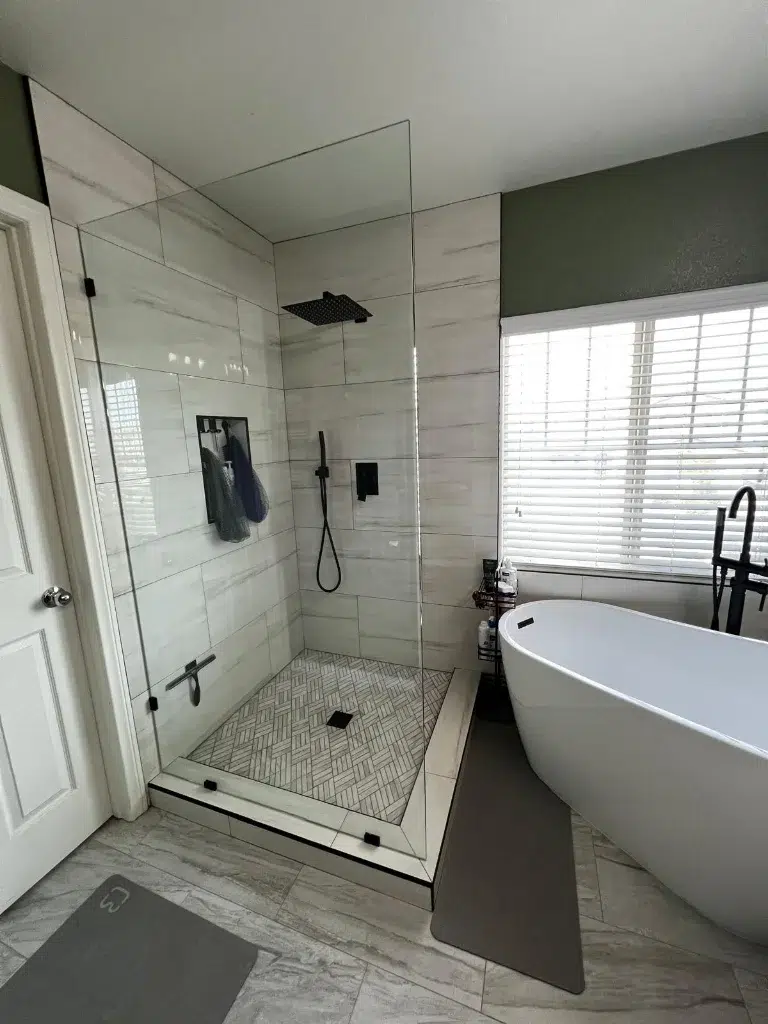
Understanding Bathroom Size Standards in American Homes
The typical American home has 2.5 bathrooms, each serving a different purpose. Your main bathroom size usually sits around 40-50 square feet. That’s enough room for a tub, toilet, and vanity without feeling cramped. Newer homes often feature larger spaces, averaging 60-70 square feet. This extra room makes morning routines way easier when multiple people need access. Census data reveals that homes built after 2015 average 20% larger than older houses.
The trend toward larger spaces reflects our changing lifestyles and expectations. We’re spending more time in these rooms for self-care and relaxation. Thoughtful planning means considering both current and future needs for your bathroom size.
Common Bathroom Types and Their Purposes
Every bathroom serves a unique role in your home. A powder room needs just 20 square feet for guests. Your kids’ bathroom works well at 35-40 square feet. The guest bathroom can match this bathroom size, too. Each type needs specific fixtures and clearances to function properly. Think about who uses each space when planning dimensions.
Primary bathrooms see heavy morning traffic and need extra storage. Jack-and-jill bathrooms connecting bedrooms require double the planning. Pool bathrooms need easy outdoor access and water-resistant materials. Basement bathrooms often work around existing plumbing and low ceilings. Understanding these differences helps you allocate the right bathroom size for each location.
Standard Bathroom Dimensions for Different Room Types
Standard dimensions vary based on the purpose and location. A 5×8-foot layout works great for most family bathrooms. This bathroom size gives you 40 square feet to work with comfortably. You’ll want at least 21 inches of clearance in front of the toilet. The shower needs to be at least 30×30 inches, though 36×36 feels much better.
Vanities typically measure 24 inches deep and 30 to 60 inches wide. Medicine cabinets should hang 40-44 inches from the floor. Towel bars work best at 48 inches high for adults. These measurements are based on years of ergonomic studies and building standards. Following them ensures your bathroom feels the right size, not cramped or wasteful.
Full Bathroom vs Half Bathroom Requirements
A full bathroom needs all four fixtures – toilet, sink, shower, and tub. This requires at least 40 square feet. Half options only have a toilet and sink. These work perfectly in just 18-20 square feet. The key difference? Full bathrooms need proper ventilation and waterproofing. Half baths can squeeze into smaller spaces like under stairs. Both need good lighting and storage solutions.
Full bathrooms require access to hot water for showers and tubs. Half baths typically require only cold-water lines and basic drainage. The bathroom size difference significantly affects your home’s resale value. Most buyers expect at least one full one per floor in modern homes.
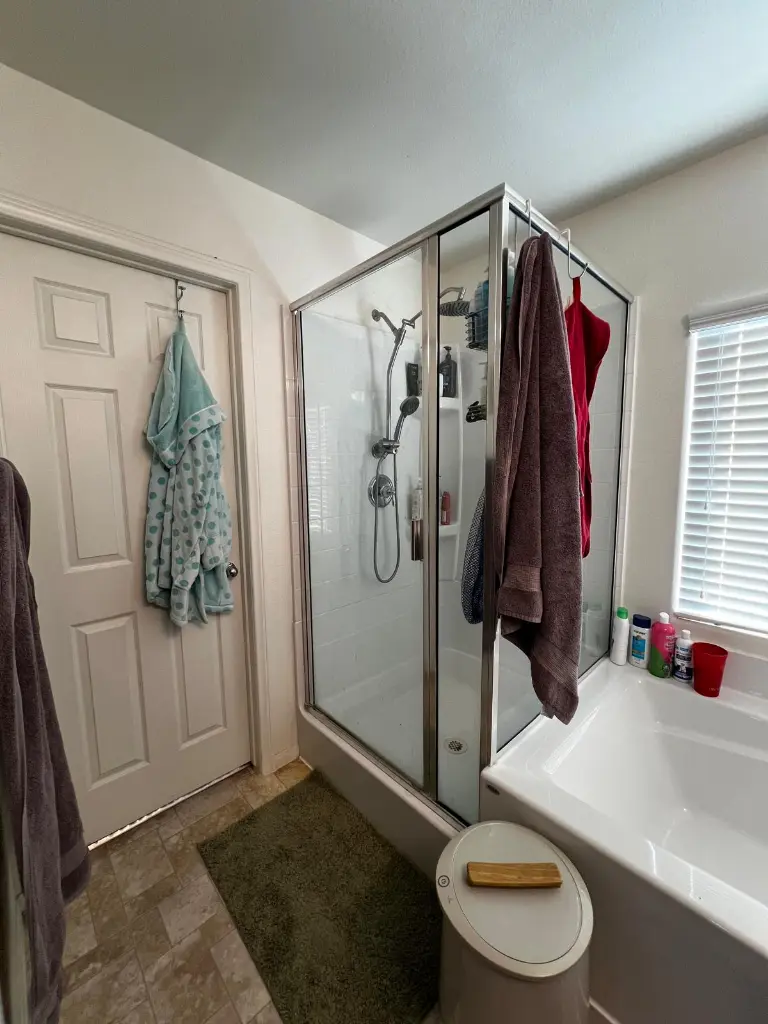
Master Bathroom Size and Luxury Features
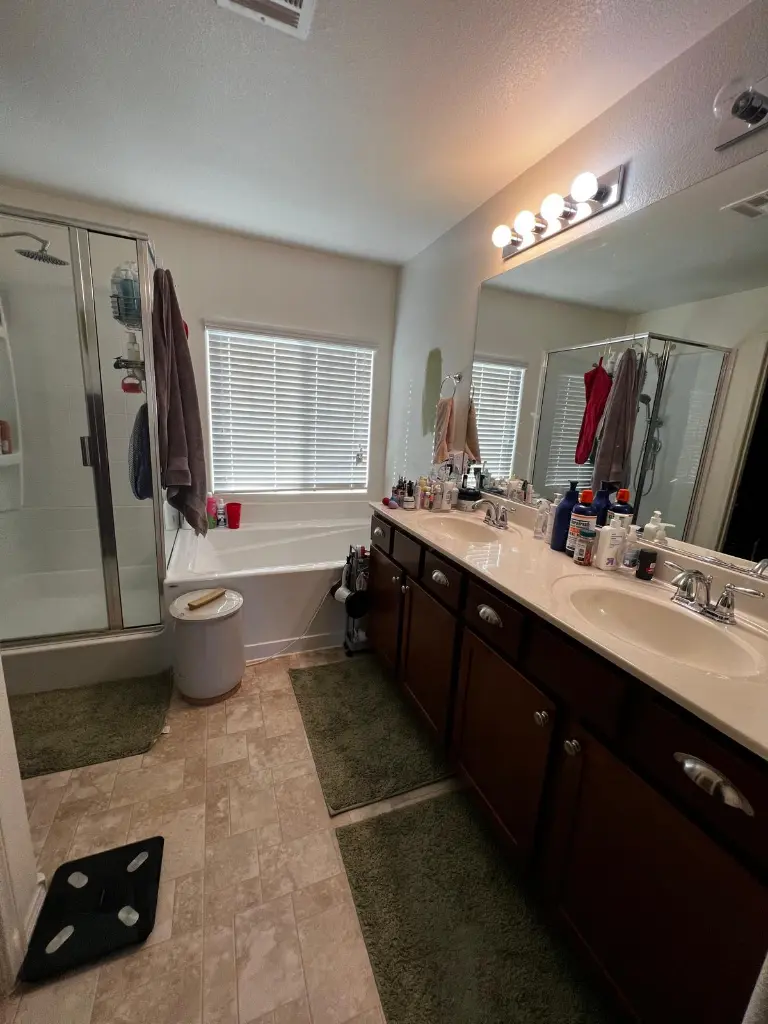
Master bathrooms average 100-150 square feet in today’s homes. This generous bathroom size allows for double vanities and separate shower areas. Many homeowners add soaking tubs that measure 60×32 inches. Walk-in showers need at least 48×36 inches for comfort. Some folks include sitting areas or makeup stations, too. The extra space makes getting ready together much easier.
Heated floors add comfort during cold mornings. Steam showers turn your bathroom into a home spa. Large windows bring in natural light while maintaining privacy. Storage becomes abundant with linen closets and built-in shelving. This bathroom size lets you create a true retreat from daily stress.
Three-Quarter Bathroom Layout Options
Three-quarter bathrooms skip the tub but keep everything else. These typically need 35-40 square feet to work well. The shower becomes the focal point in this bathroom-sized configuration. Corner showers save space while still providing comfort. Linear layouts work best in narrow spaces. You can fit everything along one wall with thoughtful planning.
Many homeowners prefer this setup for guest rooms and basements. The cost savings from skipping the tub can go toward nicer fixtures. Glass shower doors make the space feel larger and brighter. This bathroom size works perfectly for teenagers who prefer showers anyway. It’s also ideal for aging-in-place designs.
Small Bathroom Design and Space Maximizing Tips
Small bathrooms under 30 square feet need creative solutions. Wall-mounted toilets save precious floor space. Pocket doors eliminate swing clearance issues. Here’s what works best in tight spaces:
- Pedestal sinks instead of vanities
- Corner sinks for super tight spots
- Sliding shower doors or curtains
- Vertical storage on walls
- Mirrors to create visual space
These tricks make any bathroom size feel bigger and function better. Light colors reflect light and visually open up the space. Recessed medicine cabinets don’t protrude into the room. Hooks behind doors provide towel storage without taking floor space. Every inch counts when working with a compact bathroom size. The right approach transforms cramped quarters into efficient, comfortable spaces.
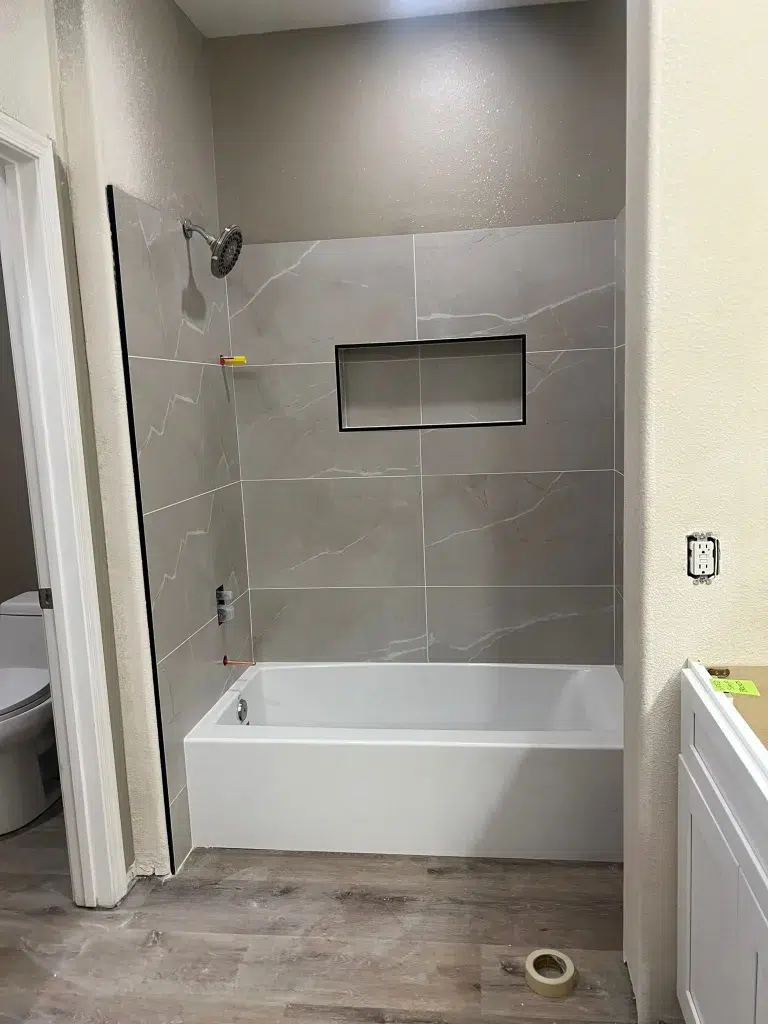
ADA Bathroom and Accessible Dimensions
Accessible bathrooms need extra room for wheelchair navigation. The minimum bathroom size jumps to 60 square feet. Doorways must be 36 inches wide. You need a 60-inch turning radius inside. Grab bars go 33-36 inches high. The toilet sits 17-19 inches tall.
These requirements ensure everyone can use the space safely and independently. Roll-in showers eliminate barriers for wheelchair users. Adjustable showerheads accommodate different heights and abilities. Lower mirrors and sinks help children and seated users. Non-slip flooring prevents dangerous falls. Following ADA guidelines ensures your bathroom is accessible to everyone, including aging family members.
Creating Your Dream Bathroom Floor Plans
Your ideal bathroom size balances wants with available space. Start by carefully measuring your current room. Consider plumbing locations to avoid costly moves. Think about traffic flow and daily routines. A well-planned 40-square-foot option beats a poorly designed 80-square-foot one. Focus on functionality first, then add luxury touches where possible.
The perfect bathroom size meets your specific needs. Use graph paper or free online tools to experiment with layouts. Visit showrooms to experience different fixture sizes firsthand. Talk to contractors about what’s realistic for your budget. Remember that good design trumps raw square footage every time. Your bathroom size should enhance your lifestyle, not complicate it.