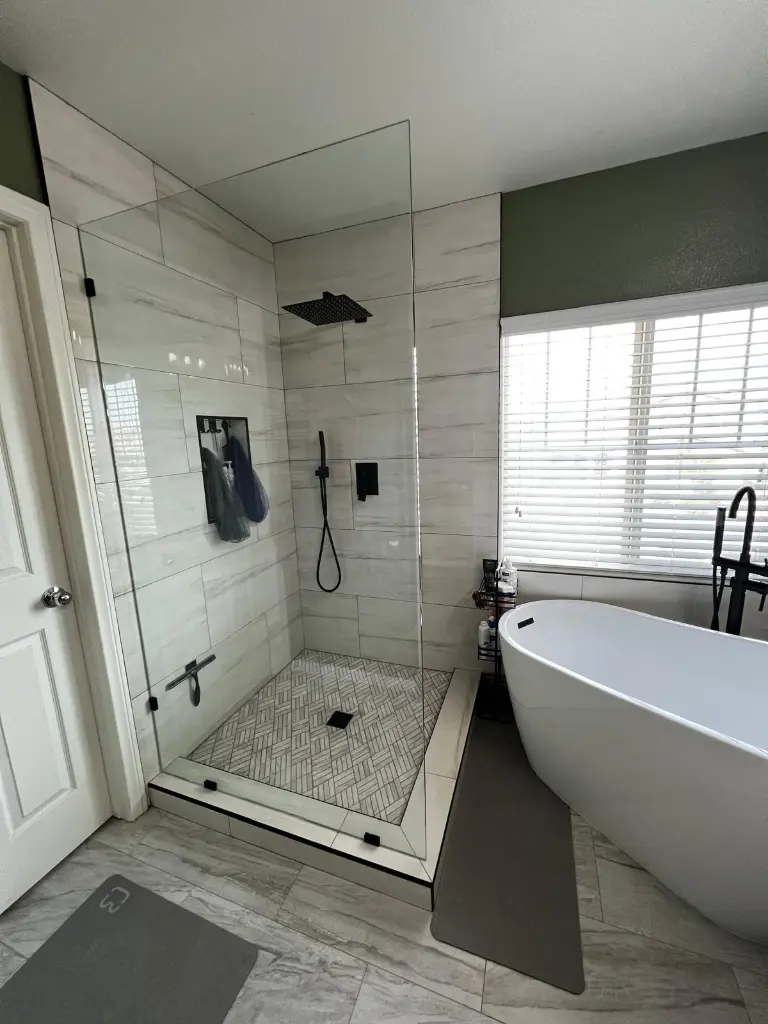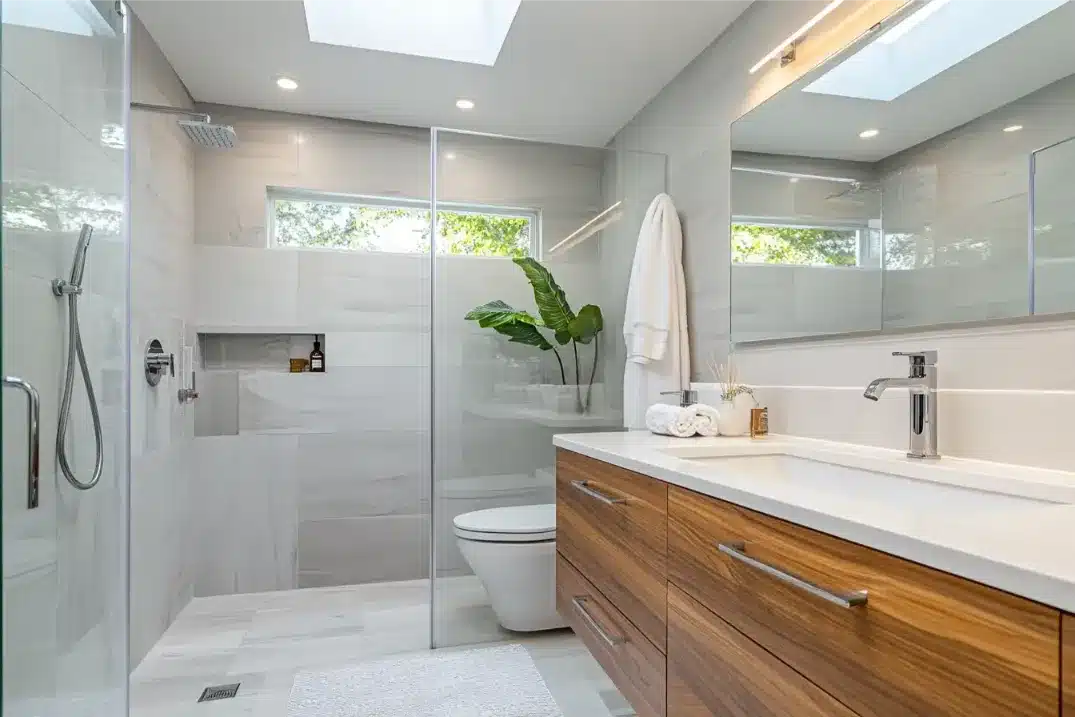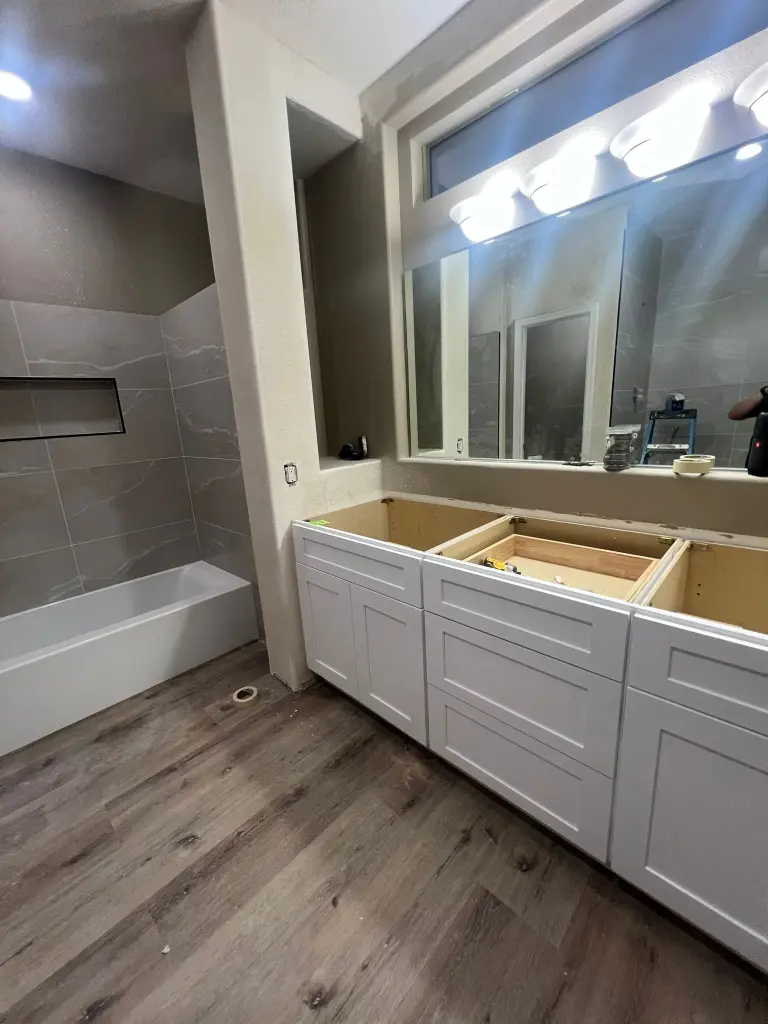
There’s nothing quite like stepping onto a warm floor on a cold morning. Heated bathroom flooring has become one of the most requested upgrades we see in bathroom renovations today. And honestly, once you experience it, you’ll wonder how you lived without it. This system works quietly beneath your feet, providing consistent warmth throughout the space. In this guide, we’ll walk you through everything you need to know. From how these systems work to what they cost, we’ve got you covered.
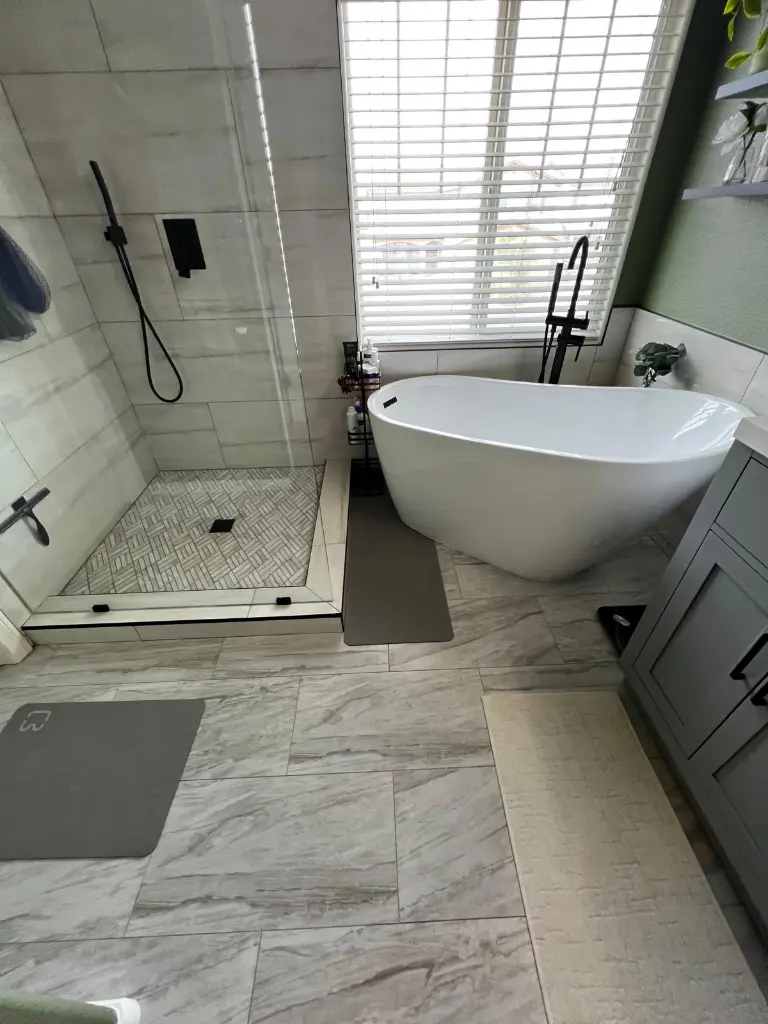
What Is Heated Bathroom Flooring and How Does It Work?
So how does heated bathroom flooring actually work? It’s simpler than most people think. The system uses radiant heat, which warms objects directly instead of heating the air. This means your floors warm up first, then that heat rises naturally through the room.
We install these systems right beneath your floor surface. Thin heating elements sit under your tile or stone. When you turn on the thermostat, electricity or hot water flows through these elements. The result is even, gentle warmth across your entire bathroom floor. There’s no waiting for a furnace to kick in. Your heated bathroom floor responds quickly and maintains a steady temperature all day long.
Why Radiant Floor Heating Beats Traditional Heat Systems
Traditional forced-air systems push warm air through vents. This creates hot and cold spots throughout your home. Dust and allergens also circulate constantly. Radiant floor heating works differently, and the benefits are pretty impressive.
First, a floor heating system distributes heat evenly. Every square inch of your bathroom stays at the same comfortable temperature. Second, these systems operate silently. There’s no fan noise or clicking sounds. Third, radiant heat flooring significantly reduces dust movement. For anyone with allergies, this is a game-changer. We’ve installed hundreds of these systems over the years. Clients consistently tell us their bathrooms feel completely different, in the best way possible.
Types of Heated Bathroom Floor Systems to Consider
Not all heated floor systems are the same. Understanding your options helps you make the right choice. The two main types of heated bathroom floor systems are electric and hydronic. Each has specific advantages depending on your situation.
Electric systems use heating cables or mats installed beneath your flooring. Hydronic systems pump heated water through tubes instead. Both deliver excellent results when installed correctly. Your bathroom size, budget, and existing setup all factor into which option works best. Let’s break down each type so you can see what fits your needs.
Electric Radiant Heat Options for Your Bathroom
Electric heated bathroom floors are the most popular choice for single-room installations. These systems use thin heating cables woven into a mat. The mat rolls out directly onto your subfloor before tile installation.
Here’s why electric radiant heat works so well for bathrooms:
- Quick installation time, often completed in one day
- Lower upfront costs compared to hydronic systems
- Precise temperature control with a programmable thermostat
- Minimal floor height increase, usually less than half an inch
- Perfect for smaller spaces like bathrooms
We recommend electric heated floors for most bathroom projects. They heat up fast and work efficiently in compact areas. The operating costs stay reasonable, too, especially when you use a timer.
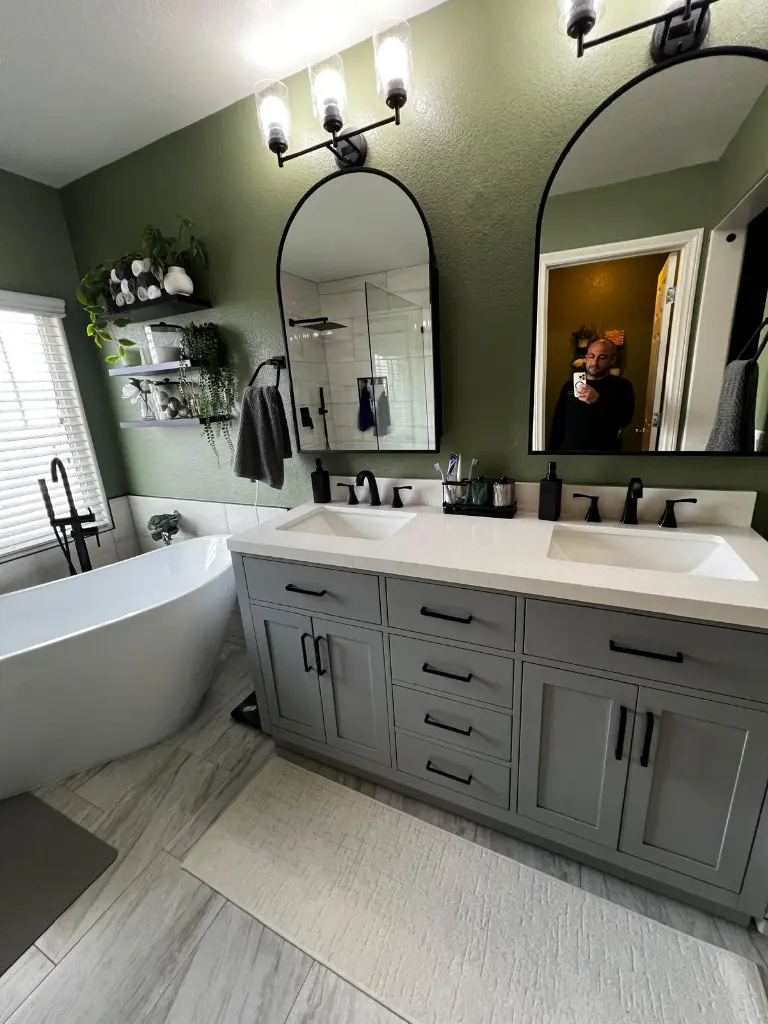
Hydronic Heating System Type Explained
Hydronic systems are the heavy hitters of radiant floor heating. They use a boiler to heat water, which then circulates through tubes beneath your floor. This heating system type works best for whole-house installations or larger spaces.
The initial investment is higher than electric options. However, hydronic systems cost less to operate in the long term. They’re incredibly efficient for heating multiple rooms simultaneously. If you’re building a new home, hydronic makes a lot of sense. For a single bathroom renovation, though, electric usually wins on practicality. We’ve done both types extensively and can help you weigh the pros and cons for your specific situation.
The Real Heated Bathroom Floor Cost Breakdown
Let’s talk numbers. The cost of heated bathroom floors depends on several factors. System type, bathroom size, and flooring material all affect your final price. We believe in transparency, so here’s what you can realistically expect.
Electric systems typically cost $8 to $15 per square foot for materials. Professional installation adds another $5 to $10 per square foot. A standard 50-square-foot bathroom might cost $650 to $1,250 total. Hydronic systems cost more upfront, often $15 to $25 per square foot installed. Remember, these are investments that last 25 years or more. When you factor in energy savings and added home value, heated bathroom flooring pays for itself over time.
Installing Heated Bathroom Flooring: What to Expect
Installing heated floors isn’t a weekend DIY project. The process requires precision and experience. That said, when professionals handle it, the installation goes smoothly. Most bathroom installations take one to two days to complete.
The process starts with properly preparing your subfloor. We lay out the heating mat or cables according to the manufacturer’s specifications. Then comes the thin-set mortar and your chosen tile floor. Finally, we connect everything to a dedicated thermostat. Proper installation ensures your heated bathroom floor works safely for decades. We always test the system before and after tile installation. This catches any issues before they become expensive problems.
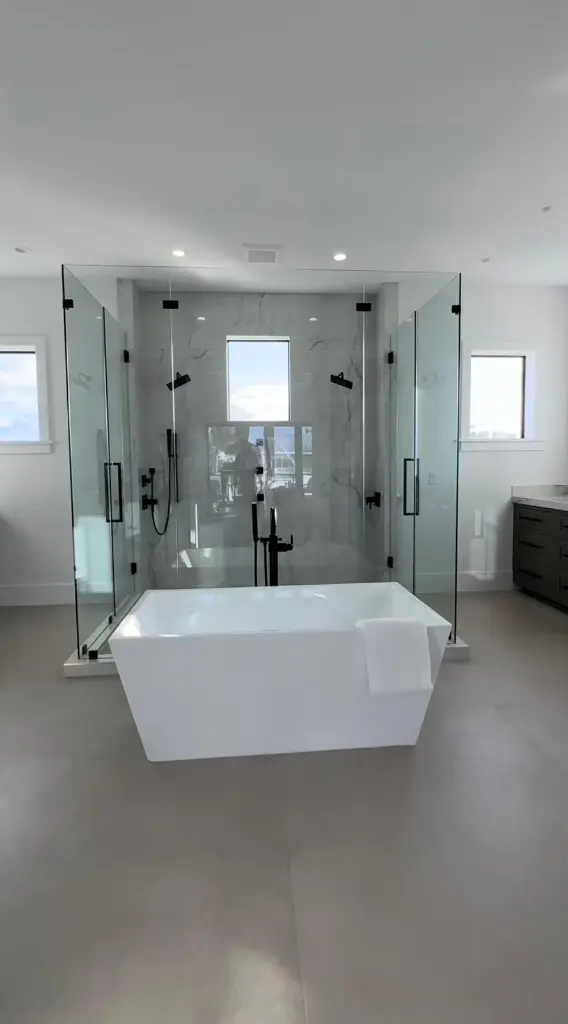
Choosing the Best Tile Floor for Your Heating Project
Your flooring choice matters more than you might think. Not all materials conduct heat equally well. Tile and natural stone work best with heated bathroom flooring. They efficiently absorb and release heat, keeping your floor consistently warm.
Ceramic and porcelain tile are excellent choices. They’re durable, water-resistant, and affordable. Natural stone, like marble or slate, looks stunning and performs beautifully. We recommend avoiding thick carpeting or solid hardwood over radiant systems. These materials insulate against heat rather than conducting it. For this heating project, stick with materials that maximize your system’s performance.
Is Heated Bathroom Flooring the Right Choice for You?
After installing countless heated bathroom floors, we can confidently say most homeowners love them. The comfort factor alone makes the investment worthwhile. Stepping onto warm tile on a winter morning genuinely improves your daily routine.
Beyond comfort, these systems add real value to your home. Buyers consistently list heated floors as a desirable feature. Energy efficiency is another bonus, since radiant heat often costs less than traditional heating methods. If you’re renovating your bathroom anyway, adding floor heating makes perfect sense. The best time to install is during construction or renovation, when floors are already exposed. Consider your budget, your climate, and how long you plan to stay in your home. For most people, heated bathroom flooring is absolutely worth it.
Frequently Asked Questions
How long do heated bathroom floors take to warm up?
Can I install heated floors under my existing bathroom tile?
Unfortunately, no. Heated systems must be installed beneath the flooring, not over it. This means removing existing tile before installation. However, some companies offer low-profile heating mats that minimize changes in floor height. If you’re planning a bathroom renovation, that’s the ideal time to add heated floors. Retrofitting requires more work but delivers the same excellent results.
Are heated bathroom floors safe to use?
Absolutely. Modern heated floor systems meet strict safety standards. Electric systems include built-in ground fault protection. The temperatures stay comfortable, never hot enough to burn. We’ve never encountered safety issues with properly installed systems. Just make sure a licensed professional handles your installation. Following manufacturer guidelines and local codes keeps everything safe.
How much does it cost to run heated bathroom floors monthly?
Operating costs vary based on system type, bathroom size, and local electricity rates. Most homeowners spend $10 to $30 monthly to heat a standard bathroom. Using a programmable thermostat significantly reduces costs. You only heat the floor when needed, not all day long. Compared to space heaters or cranking up your furnace, radiant floor heating is quite economical.
Do heated floors work with all flooring types?
Not all flooring types perform equally well. Tile, stone, and concrete work best with heated systems. These materials conduct heat efficiently and feel noticeably warm. Laminate and engineered wood can work with certain systems. Thick carpet and solid hardwood are generally not recommended. They insulate against heat rather than transferring it. Always check manufacturer recommendations before choosing your flooring.
How long do heated bathroom floor systems typically last?
Quality heated floor systems last 25 to 30 years or longer with proper installation. Electric heating mats often come with extended warranties. The heating elements themselves rarely fail when installed correctly. Thermostats may need to be replaced after 10 to 15 years. Overall, these systems require virtually no maintenance. It’s a one-time investment that delivers comfort for decades.