ClickCease

The Ultimate Home Remodeling Timeline Checklist for Homeowners

February 16, 2026

At 1 Home Construction LLC, we’ve been guiding homeowners through remodeling projects for years of experience, and we’ve noticed one consistent pattern: the projects that finish on time start with a clear, structured plan. This decision guide breaks down a practical home remodeling timeline checklist so you can evaluate options, set priorities, and move forward with confidence. Whether you’re considering a full renovation or targeted upgrades like home remodeling in Centennial Hills, the sequence matters as much as the design. The most expensive delays we see rarely come from materials – they come from skipped planning steps. One homeowner once ordered custom cabinets before permits were approved; when layout changes were required, restocking fees and schedule shifts added weeks and thousands to the project. A timeline isn’t paperwork. It’s protection against avoidable financial and legal setbacks.

Regulatory checkpoints that shape your remodeling timeline

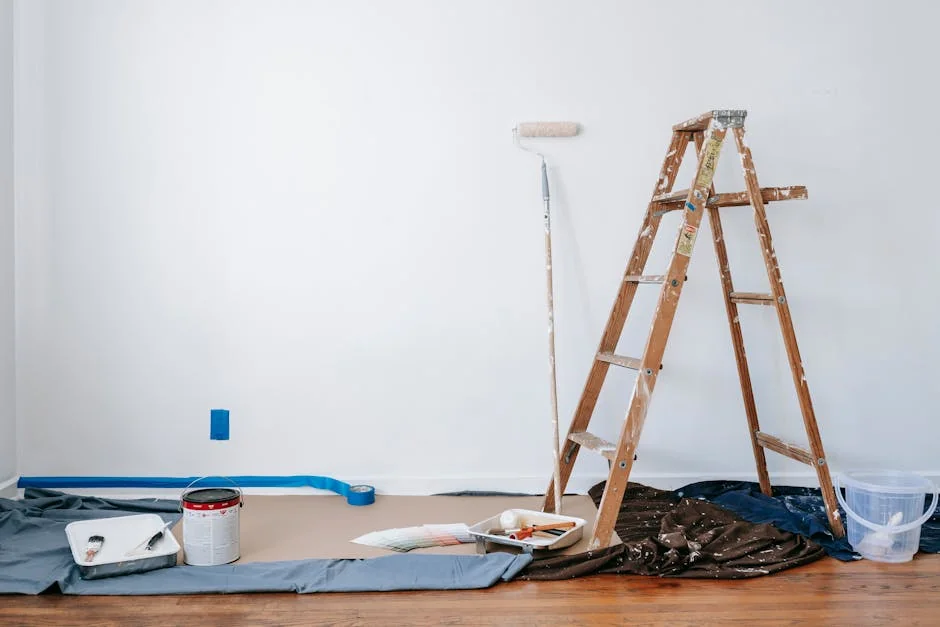
home remodeling timeline checklist guide las vegas
Every remodeling timeline must account for permits and inspections. The most efficient schedules build these checkpoints in from the beginning rather than treating them as afterthoughts. Permits protect homeowners by ensuring structural, electrical, plumbing, and energy systems meet minimum safety standards. Most municipalities adopt variations of the following model codes, which directly affect remodeling work: We schedule rough-in inspections immediately after plumbing, HVAC, and electrical are installed but before insulation and drywall. That sequence prevents costly tear-outs. One red flag we see is homeowners finishing drywall before inspection approval. When corrections are required, finished surfaces must be opened, doubling labor. A disciplined checklist includes permit application lead times, inspection windows, and correction periods. Building these into your schedule prevents weeks of avoidable downtime.
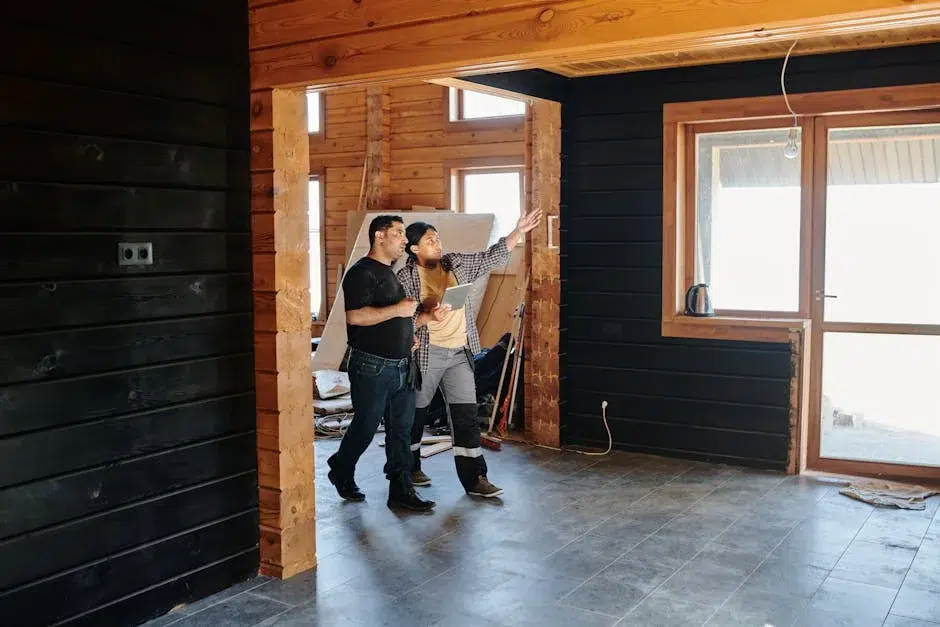
home remodeling timeline checklist tips las vegas

Timeline phases, cost drivers, and contractor vetting

A structured remodeling process follows predictable stages. Homeowners should understand each phase before committing.
  1. Pre-construction planning (2 – 6 weeks): Site measurements, design drawings, scope definition, and material selections.
  2. Permitting (2 – 8+ weeks depending on jurisdiction): Submission, review, revisions, and approval.
  3. Construction (4 – 16+ weeks): Demolition, rough-ins, inspections, insulation, drywall, cabinetry, flooring, and finishes.
  4. Final inspections and punch list (1 – 3 weeks): Code approval and quality control corrections.
One client attempted to compress demolition and rough-in into the same week without finalized fixture specifications. When the selected freestanding tub required a different drain location, plumbing had to be reworked. Asking detailed questions upfront prevents this. Key questions to ask a contractor:
  • How do you handle change orders and timeline adjustments?
  • Who pulls permits and schedules inspections?
  • How are long-lead materials like custom cabinets tracked?
  • What warranty do you provide on workmanship?
Costs vary widely. A mid-range kitchen remodel may range from $25,000 to $60,000+, while a primary bathroom renovation may range from $15,000 to $40,000+. Pricing fluctuates based on site complexity, material costs, and total scope. Custom cabinetry, quartz slab fabrication, and structural beam modifications significantly affect budget. These figures are preliminary benchmarks for informational purposes only and do not constitute a binding quote. An on-site evaluation is required for a final proposal.

Plan the Timeline Before You Demo

A successful remodeling project starts long before the first wall is opened. It begins with a clear, strategic plan that protects your time, budget, and peace of mind. At 1 Home Construction LLC, we help you define realistic timelines, secure necessary permits, coordinate inspections, and schedule materials so every phase moves forward without costly delays. Our proactive planning minimizes surprises, prevents expensive rework, and keeps your investment on track from day one. Do not leave your renovation to chance or risk setbacks that could add weeks and thousands of dollars to your project. Take control with a team that values precision, communication, and results. Contact 1 Home Construction LLC today to schedule your consultation and get a detailed, actionable roadmap tailored to your goals. The sooner you plan, the sooner you can build with confidence.
home remodeling timeline checklist checklist las vegas

FAQs

A home remodeling timeline checklist is essential for preventing trade overlap, missed inspections, and delayed material deliveries. Remodeling projects follow a strict sequence that includes structural modifications, mechanical rough ins, insulation, drywall installation, and final finish work. When these phases are performed out of order, costly setbacks can occur. For example, installing drywall before plumbing or electrical inspections are approved can require demolition, repairs, and additional labor expenses. A well organized checklist keeps every stage aligned so that each contractor knows when to begin and when to step aside for the next phase. A detailed timeline also helps track long lead materials such as custom cabinetry, windows, doors, countertops, or specialty tile that may take several weeks to arrive. Without coordinated planning, demolition may begin before materials are delivered, leaving kitchens or bathrooms unusable for extended periods. In addition, proper scheduling ensures permits, inspections, and documentation are completed on time, which protects resale value. Buyers and lenders often request proof that improvements meet code requirements. A structured checklist reduces financial risk, limits downtime, improves communication, and keeps the entire project organized from start to finish.

We recommend beginning detailed project planning at least two to three months before your intended construction start date for most mid size renovations. Larger projects that involve structural modifications, additions, or layout reconfiguration often require additional lead time for architectural drawings, structural engineering review, and formal approvals. The planning phase typically includes on site field measurements, design development, layout refinements, material selection, budgeting updates, and permit documentation preparation. Custom cabinetry alone can require 6 – 10 weeks for fabrication after final approval, and specialty finishes or imported materials may extend that timeline further. Permit review periods vary by jurisdiction and can take several weeks depending on municipal workload and inspection requirements. Early planning also creates space to compare flooring durability ratings, evaluate tile slip resistance, confirm appliance dimensions, and coordinate mechanical and electrical rough in locations before walls are opened. When planning starts too late, homeowners may feel pressured to make quick decisions and choose products based on availability instead of long term performance. Starting early provides greater flexibility, stronger pricing leverage, and a smoother construction schedule once demolition begins.
Timelines and costs may fluctuate based on several variables. Site complexity plays a major role – structural beam installations, outdated wiring replacement, or plumbing relocation can extend schedules. Material costs also influence budget and duration; specialty stone slabs, imported tile, or custom millwork may have extended lead times. Total scope is the third major factor. Expanding from cosmetic updates to full system upgrades increases labor, inspection requirements, and coordination between trades. A cosmetic bathroom refresh might start around $8,000 to $15,000, while a full structural reconfiguration could range from $25,000 to $50,000+. Kitchen remodels typically start around $25,000 and can exceed $75,000 depending on cabinetry and appliance selections. These figures are preliminary benchmarks for informational purposes only and do not constitute a binding quote. An on-site evaluation is required for a final proposal.
Homeowners can successfully take the lead on many early planning activities, including creating inspiration boards, researching products, comparing fixture options, and selecting paint colors and finishes. These tasks allow homeowners to shape the overall look and feel of the project while staying closely involved in budgeting decisions. Some individuals may also feel comfortable handling light demolition of non structural elements such as removing old trim, cabinets, or flooring, provided proper safety precautions are followed. However, more technical components of a renovation should always be completed by licensed professionals. Structural alterations, electrical upgrades, plumbing relocations, and any modification involving load bearing walls require permits and must comply with adopted building codes. Unpermitted electrical work can increase the risk of fire and may void insurance coverage. Similarly, improper plumbing changes can violate venting, drainage slope, or fixture connection standards outlined in the International Residential Code. Coordinating multiple trades also requires experience to prevent scheduling conflicts and costly delays. By remaining engaged in design choices while relying on qualified professionals for regulated work, homeowners protect both their investment and their safety.
Common warning signs of a troubled renovation or construction project often appear early, but they are easy to overlook. Repeated inspection failures can indicate rushed work, poor preparation, or a lack of familiarity with local building codes. Unclear or missing change order documentation is another serious concern, as it creates confusion about costs, responsibilities, and revised timelines. Long stretches with little or no visible progress may suggest scheduling problems or cash flow issues. If materials have not been ordered before demolition starts, delays are almost inevitable because backorders and shipping times can stall the next phase of work. Additional red flags include subcontractors arriving without finalized drawings or specifications, which greatly increases the likelihood of errors and costly rework. Poor communication is equally problematic. Homeowners should receive consistent weekly updates that clearly explain completed tasks, upcoming milestones, and any emerging challenges. Excess debris left unmanaged can signal weak site supervision and disorganization. Prolonged exposure to rain or humidity during construction also creates risk. If openings are not properly sealed, framing can absorb moisture, leading to mold growth or warped materials. Proactively clarifying scope, confirming inspection schedules, and tracking material delivery dates can restore order and prevent escalating costs.
One of the most common mistakes in renovation projects is finalizing aesthetic finishes before confirming structural feasibility. Removing or altering walls without verifying load paths can require unexpected engineered beams, posts, or footings, which quickly increases costs and delays schedules. Another frequent issue is underestimating lead times for custom cabinetry, windows, doors, or specialty fixtures. Many of these items require several weeks or even months for fabrication and delivery, and late ordering can stall an otherwise well planned project. Homeowners also sometimes overlook energy code requirements, including minimum insulation R values, air sealing details, and ventilation standards. Failing to address these items early can result in failed inspections and costly rework. Material selection presents additional risks when manufacturer installation guidelines are not reviewed in advance. For example, large format tile typically requires a substrate flat within 1/8 inch over 10 feet. Ignoring this requirement often leads to lippage, cracked grout, and dissatisfied clients. Budget planning is another critical area. We strongly recommend setting aside a 10-15% contingency to cover unforeseen conditions uncovered during demolition, such as hidden water damage or outdated wiring. Avoiding these common errors helps keep projects aligned with structural requirements, building codes, and manufacturer standards while protecting the overall investment.
Verify that the contractor holds the appropriate state or local license for residential construction and carries both general liability and workers compensation insurance. Request proof of coverage and confirm that the policies are current. Clarify who is responsible for obtaining permits and scheduling required inspections, since proper permitting protects you from fines and future resale issues. A professional contractor should provide a detailed written scope of work that clearly outlines materials, labor, timelines, and project expectations. The payment schedule should be tied to defined milestones rather than vague dates, and there should be a documented change order process that explains how modifications are priced and approved. Ask for references from recent projects that are similar in size and complexity to yours, and review before and after photos to assess quality and consistency. Clear communication is essential, so determine how updates will be shared and how unexpected delays or cost adjustments will be addressed. Confirm warranty terms for workmanship and installed materials in writing. Finally, ensure the contractor follows OSHA jobsite safety standards to protect workers, occupants, and property throughout the project.
Professional involvement should begin as early as the planning stage, particularly when a project includes structural alterations, electrical system upgrades, plumbing relocation, or modifications to heating and cooling systems. Engaging qualified experts at the outset allows for accurate site measurements, proper load calculations, code compliant system design, and timely permit applications before materials are purchased or demolition begins. This proactive approach minimizes costly revisions and scheduling delays. If you observe warning signs such as sagging ceilings, cracked support beams, outdated aluminum wiring, inconsistent water pressure after moving fixtures, slow drainage, or frequent breaker trips, arrange for a professional evaluation as soon as possible. While these issues may not present an immediate emergency, they can worsen and lead to structural damage, electrical hazards, or water intrusion if left unaddressed. During construction, promptly notify your contractor if an inspection fails, if framing appears compromised, or if moisture enters exposed areas. Early intervention prevents secondary damage and helps maintain project timelines. Even cosmetic renovations benefit from professional oversight to ensure installation methods meet manufacturer guidelines and comply with local building codes, reducing long term maintenance and repair risks.