Building a new home starts with one critical decision. You need to pick the right base for your entire structure. This choice affects everything from energy costs to long-term durability. We work with homeowners every day who feel overwhelmed by the many options available. Trust us, it does not have to be confusing. In this guide, we break down the most common house foundation types so you can make a smart, informed choice. Let’s dive into what works best for different situations and budgets.
Understanding House Foundation Types and Why They Matter
Your home’s base does more than hold everything up. It protects against moisture, pests, and shifting soil. The wrong type of foundation can lead to cracks, flooding, and costly repairs down the road. We have seen it happen too many times. That is why picking the right system from the start saves you money and headaches.
Different house foundation types work better in certain climates and soil conditions. For example, areas with high water tables require different solutions than those with dry, stable ground. Your local building codes also play a role in what you can use. We always recommend talking to a contractor who knows your region well. They can match the right foundation type to your specific lot and needs.
Slab-On-Grade Foundation Basics
A slab-on-grade foundation is one of the most popular choices for many homeowners. It involves pouring a concrete slab directly on the ground. This method works great in warmer climates where frost is not a concern. We install these often because they are cost-effective and quick to build. There is no crawl space or basement underneath, just solid concrete.
However, this type of foundation does have some drawbacks. Plumbing and electrical lines get embedded in the concrete slab. If something breaks, repairs can be tricky and expensive. You also lose storage space since there is no area below your living space. Still, for many projects, a slab-on-grade foundation offers the best balance of price and performance.
Crawl Space Foundation Pros and Cons
A crawl space foundation raises your home a few feet off the ground. This creates an accessible area underneath for plumbing, wiring, and HVAC systems. We love this option for homes in flood-prone areas or regions with expansive soil. It gives you easy access for repairs without tearing up your floors.
On the flip side, crawlspace foundations need proper ventilation and moisture control. Without it, you risk mold growth and pest infestations. We always recommend adding a vapor barrier and good drainage around the footing. This keeps your crawl space dry and your home healthy. The extra upfront cost pays off with fewer problems later.
Full Basement Foundation Benefits
A full basement foundation gives you the most usable space below your home. You get room for storage, utilities, or even finished living areas. We build these often in colder climates where the footing must go below the frost line anyway. If you are already digging deep, why not add a basement?
Here are some key benefits of choosing a basement:
- Extra living or storage space below ground level
- Better protection against severe weather like tornadoes
- Easy access to plumbing, electrical, and HVAC systems
- Potential to add value to your property
- Natural temperature regulation that lowers energy bills
The main downside is cost. A basement foundation requires more excavation, concrete, and labor. But many homeowners find the added space worth every dollar spent.
Daylight Basement Foundation Options
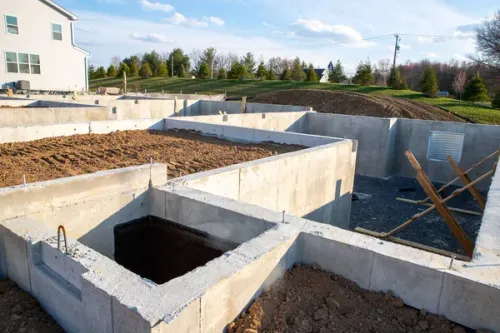
A daylight basement foundation works perfectly on sloped lots. One side of the basement sits at ground level with windows and doors. This lets natural light flood into the space. We recommend this option when clients want a walkout area or rental unit below.
These designs blend the benefits of a full basement with added functionality. You get that extra square footage plus direct outdoor access. The exposed wall also helps with ventilation and emergency egress. It is one of the most versatile house foundation types we work with today.
ICF Foundation and Modern Construction Methods
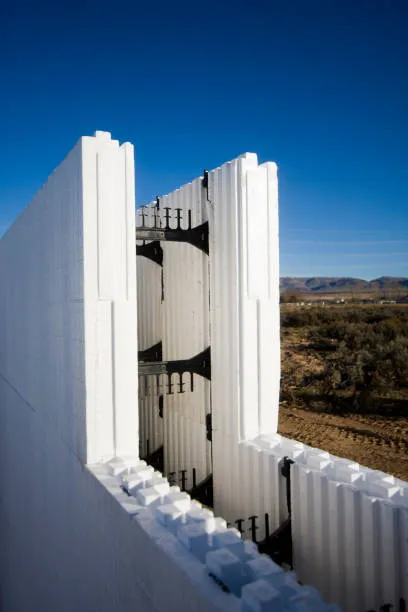
ICF stands for insulated concrete forms. These are hollow foam blocks that stack together like building blocks. Workers then pour concrete into the forms, creating super-strong walls. We have seen this construction method grow rapidly in recent years. It combines excellent insulation with incredible durability.
An ICF foundation outperforms traditional foundations in several ways. The foam stays in place after the concrete cures. This gives you built-in insulation on both sides of your walls. Energy bills drop significantly because your home stays warmer in winter and cooler in summer. Plus, these walls resist fire, wind, and even pests better than older methods.
Why Insulated Concrete Forms Are Gaining Popularity
More builders now choose insulated concrete forms for good reasons. Homeowners want energy efficiency and long-term savings. An ICF system delivers both without sacrificing strength. We have built many homes using this approach, and clients love the results.
The construction process also tends to be faster than traditional methods. The concrete forms are lightweight and easy to handle. Once stacked, pouring the concrete goes quickly. You end up with a foundation system that lasts for generations. For anyone considering different house foundation types, ICF deserves a close look.
Selecting the Best House Foundation Types for Your Build
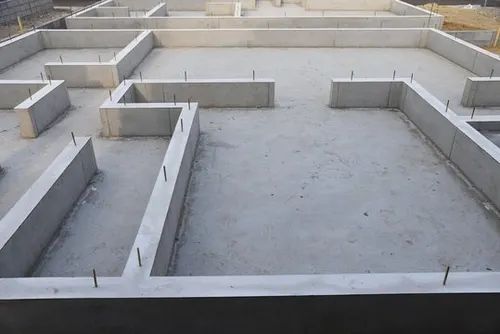
Choosing among all the house foundation types comes down to your specific situation. Consider your climate, soil conditions, budget, and long-term goals. A pier and beam foundation might work for a raised design. A stone foundation could suit a historic restoration project. Each option has its place.
We always tell clients to think beyond the initial price tag. A stronger foundation often costs more upfront but saves money over the decades. Whether you pick a concrete slab, crawlspace, or full basement, quality matters most. Work with experienced professionals who understand your local conditions. The right choice now means peace of mind for years to come.
Frequently Asked Questions
Q: What is the strongest foundation for a home?
A: Most experts consider a poured concrete basement or ICF system the strongest option. These provide excellent resistance to shifting soil, moisture, and extreme weather. We typically recommend one of these for areas with harsh winters or unstable ground. Your specific lot conditions also affect which performs best for your build.
Q: How do I know which type of foundation my lot needs?
A: Start with a soil test and site evaluation. A professional can check for water table levels, soil composition, and drainage patterns. We always conduct these assessments before recommending any option. Local building codes may also limit your choices based on regional climate and conditions.
Q: Are pier and beam foundations still a good choice?
A: Yes, pier and beam foundations work well in specific situations. They elevate your home, which helps in flood zones or on uneven terrain. This design also provides easy access for repairs underneath. We often suggest this option for coastal properties or homes with challenging lot conditions.
Q: How much does a basement add to construction costs?
A: Adding a basement typically increases costs by 10 to 20 percent compared to a slab. However, you gain significant square footage below ground level. Many homeowners find that this extra space offsets the higher initial investment. The value added to your property often makes a basement worthwhile.
Q: Can I convert my crawl space into a full basement later?
A: Technically, yes, but it requires major excavation and structural work. This type of conversion costs significantly more than building a basement from the start. We rarely recommend it unless necessary. Planning during initial construction saves you money and hassle down the road.
Q: How long does each type of foundation typically last?
A: A well-built concrete system can last 100 years or more with proper maintenance. ICF and poured concrete basements tend to outlast other options. Even slab and crawlspace designs last many decades when installed correctly. Regular inspections help catch minor issues before they become big problems.