Moving into a new place and wondering what cooking space you really need? You’re not alone. I’ve helped countless people figure out whether a kitchenette fits their lifestyle. The truth is, both options have their place. A standard kitchen offers plenty of space for big meals and gatherings. A kitchenette gives you everything essential in a smaller footprint. Let’s break down the fundamental differences so you can make the right choice for your situation.
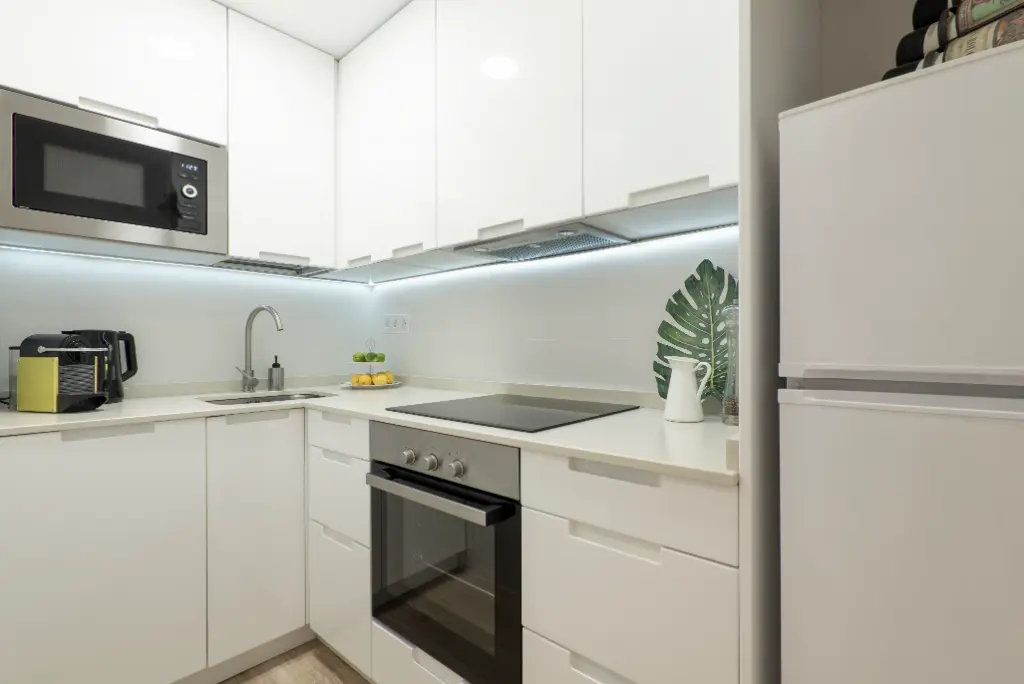
What Is a Kitchenette and How Does It Differ From a Full Kitchen?
Here’s the simple breakdown I always give people. A kitchenette is basically a scaled-down cooking area. It usually includes a small refrigerator, a sink, and limited counter space. You won’t find a full-size oven or dishwasher in most setups. The whole space typically measures under 80 square feet.
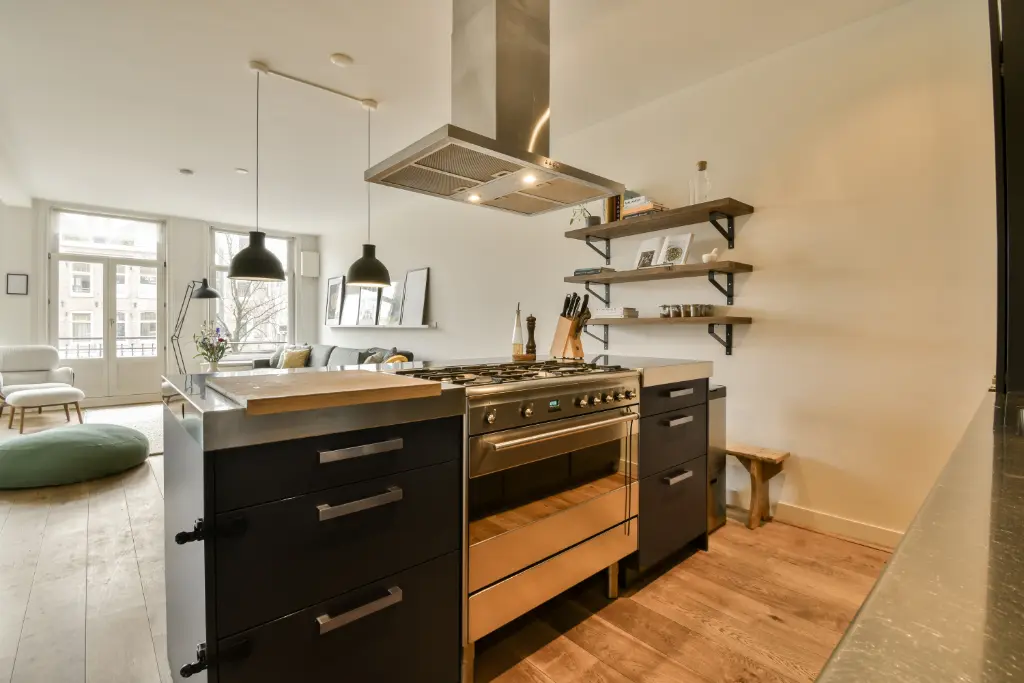
A standard cooking area, on the other hand, has everything you’d expect. We’re talking full-size refrigerator, oven, dishwasher, and plenty of cabinet storage. Most range from 100 to 200 square feet or more. The difference really comes down to scale and what you plan to cook regularly.
All-in-One Appliances That Make a Compact Kitchen Work
This is where things get interesting. All-in-one units have changed the game for small spaces. I’ve seen setups that combine a cooktop, sink, and mini-fridge into one sleek unit. These all-in-one kitchenettes save serious floor space while giving you real cooking power.
The beauty of these combo units? They’re designed specifically for tight spots. You get everything you need without sacrificing your entire living area. Many hotels and studio apartments use this approach. It works because every inch serves a purpose.
Microwave, Toaster, and Cooktop Essentials
Let me share what actually matters in a small cooking space. A good microwave handles most reheating and simple cooking tasks. A toaster oven can replace a whole oven for many recipes. A two-burner cooktop covers breakfast, lunch, and dinner needs.
I always recommend investing in quality here. A reliable cooktop with proper temperature control makes a huge difference. Your microwave should have enough wattage for real cooking. And don’t underestimate a solid toaster oven – it can bake, broil, and roast surprisingly well.
Storage Space Solutions for Small-Space Living
Storage in a kitchenette requires creativity. You won’t have endless cabinets, so every item needs a designated spot. I’ve learned to maximize vertical space with wall-mounted shelves and magnetic strips. Stackable containers become your best friend in situations like these.
The key is being realistic about what you actually use. In my experience, most people use only about 10 kitchen items regularly. Focus on storing those essentials within easy reach. Everything else can go in a closet or not come at all.
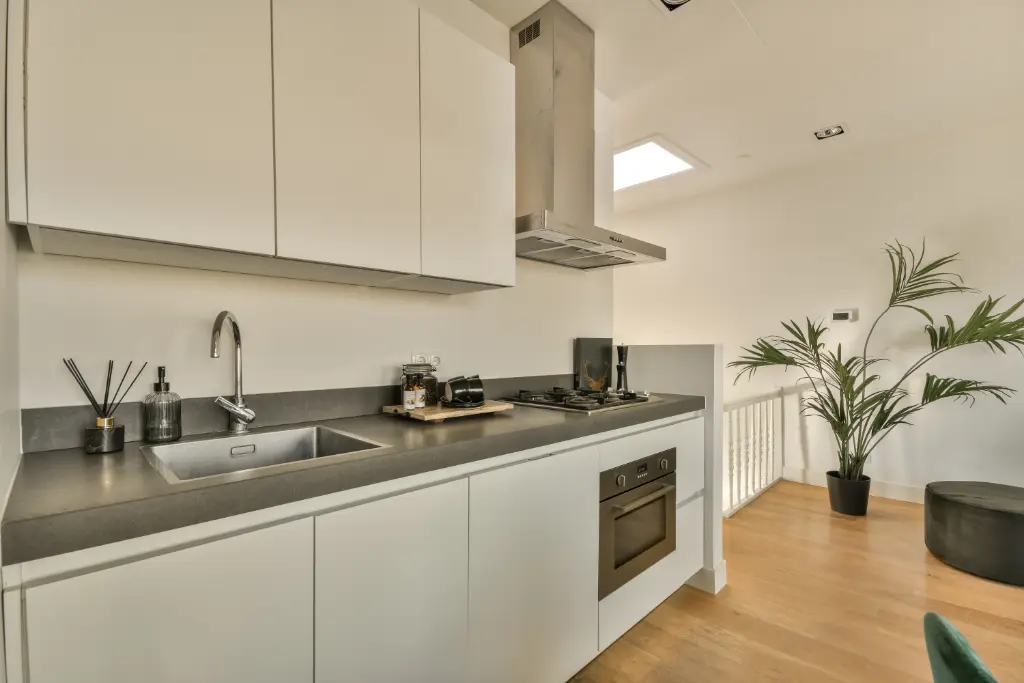
Making Room for Pots and Pans
Here’s a practical tip from years of working with small spaces. Invest in nesting cookware sets. They stack inside each other and take up minimal cabinet space. A good set gives you pots and pans for most cooking needs.
Hanging pot racks also works wonders if you have ceiling height. I’ve installed plenty of these for clients with limited cabinet storage. They keep your cookware accessible and free up precious drawer space for utensils and gadgets.
Why a Kitchenette Works Perfect for Apartment Living
Small apartment living almost demands efficient cooking solutions. A kitchenette fits perfectly into studio layouts without overwhelming the space. You maintain an open floor plan while still having real cooking ability. It’s honestly ideal for singles and couples.
I’ve set up kitchenettes in dozens of small apartment units. The feedback is always positive once people adjust their expectations. You can absolutely prepare healthy, delicious meals. You need to plan your cooking approach differently than in a large space.
Creating a Coffee Bar in Your Compact Space
Here’s something I love recommending. Turn a corner of your kitchenette into a dedicated coffee bar. It adds function and personality to any small area. A simple shelf unit can hold your coffee maker, mugs, and supplies.
This setup keeps your main cooking area clear for food prep. Plus, having a separate beverage station feels surprisingly luxurious. I’ve seen people create beautiful coffee bars using just a few square feet of counter space.
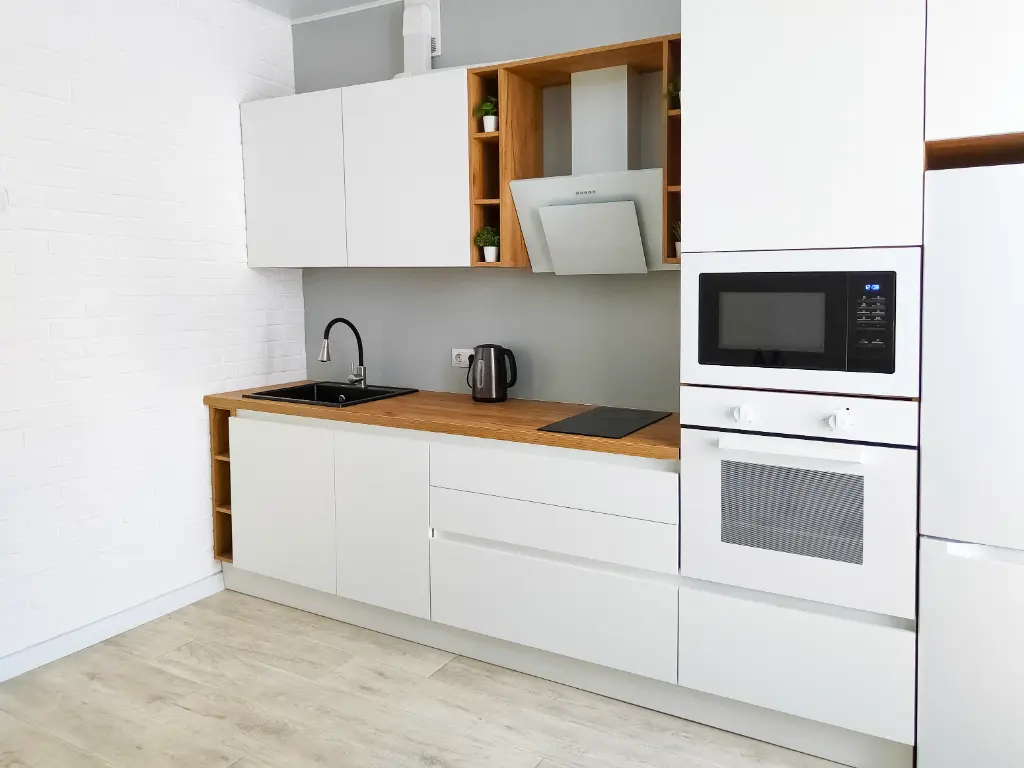
Kitchenette vs Full Kitchen: Which Is Right for You?
The decision really depends on your cooking habits. Ask yourself these questions:
- Do you cook elaborate meals regularly?
- Do you entertain guests often?
- Do you need a dishwasher?
- Is counter space a priority?
- Do you bake frequently?
If you answered yes to most of the questions, a standard cooking area makes sense. But if you mostly prepare simple meals, a kitchenette handles daily needs perfectly. Many people discover they don’t need as much space as they thought.
Consider your lifestyle honestly. A kitchenette works great for busy professionals who eat out often. It’s perfect for vacation properties and guest suites. Students and young professionals often prefer the simplicity and lower cost.
Final Thoughts on Making the Most of Your Space
Whether you choose a kitchenette or standard cooking area, success comes down to organization. I’ve seen beautifully functional kitchenettes outperform cluttered large spaces. The right setup depends entirely on your specific needs and habits.
Don’t let size limit your cooking ambitions. A well-planned kitchenette supports healthy eating and even entertaining. Focus on quality over quantity with your appliances and cookware. Keep only what you actually use and maintain good organization habits.
The best space is one that works for your real life. Think about how you actually cook and eat daily. Match your cooking area to those patterns. You’ll end up happier and more efficient regardless of square footage.
Frequently Asked Questions
Can you cook full meals in a kitchenette?
Absolutely. I’ve prepared complete dinners using just a two-burner cooktop and toaster oven. The trick is planning your cooking sequence carefully. You might need to work in stages rather than cook everything at once. With practice, you’ll develop efficient routines. Most everyday recipes adapt easily to smaller cooking setups with minor adjustments.
What size refrigerator fits in a typical kitchenette?
Most kitchenettes accommodate compact refrigerators ranging from 3 to 5 cubic feet. This size holds basics like milk, eggs, fresh produce, and leftovers. Some setups include slightly larger units around seven cubic feet. I recommend measuring your space carefully before purchasing. Consider your grocery shopping frequency when choosing refrigerator capacity.
How much does installing a kitchenette cost?
Basic kitchenette installations typically range from $3,000 to $8,000. All-in-one units fall on the lower end. Custom setups with separate appliances cost more. Plumbing and electrical work significantly impact the final price. I always suggest getting multiple quotes before committing. Factor in appliance costs separately from installation fees.
Are kitchenettes allowed in rental properties?
Most rental properties allow kitchenettes, especially in studio apartments and efficiency units. However, building codes vary by location. Some areas have specific requirements for ventilation and fire safety. Check local regulations before installing one in a rental space. Landlords usually handle compliance issues in existing rental units.
Can you add a dishwasher to a kitchenette?
Countertop dishwashers work great in kitchenette setups. They connect to your sinkfaucet and drain directly. These compact units handle about four place settings per load. Traditional built-in dishwashers rarely fit kitchenette layouts. I’ve installed many countertop models for clients wanting dishwashing convenience in smaller spaces.
How do you maximize counter space in a kitchenette?
Use cutting boards that fit over your sink for an extra prep area. Install a fold-down table on an empty wall section. Rolling carts provide a mobile workspace you can move as needed. Keep counters clear by storing appliances when not in use. These strategies effectively double your usable workspace in tight cooking areas.