ClickCease

Paver Patio Cost in Las Vegas (2026 Guide): What Homeowners Should Budget

April 8, 2026

Want a clear checklist for budgeting your patio without surprise costs? At 1 Home Construction, we’ve helped homeowners understand paver patio cost planning in Las Vegas for years of experience, and we know where budgets typically go off track. Whether you’re upgrading during a larger house remodeling project or starting fresh, this guide breaks down real numbers and local requirements. We’ve walked onto jobs where a “cheap” patio cracked within a year because the base was only two inches thick on desert soil. In Las Vegas, poor prep work doesn’t just look bad – it leads to shifting, drainage problems, and expensive tear-outs.

What Inspectors and Local Regulations Require in 2026

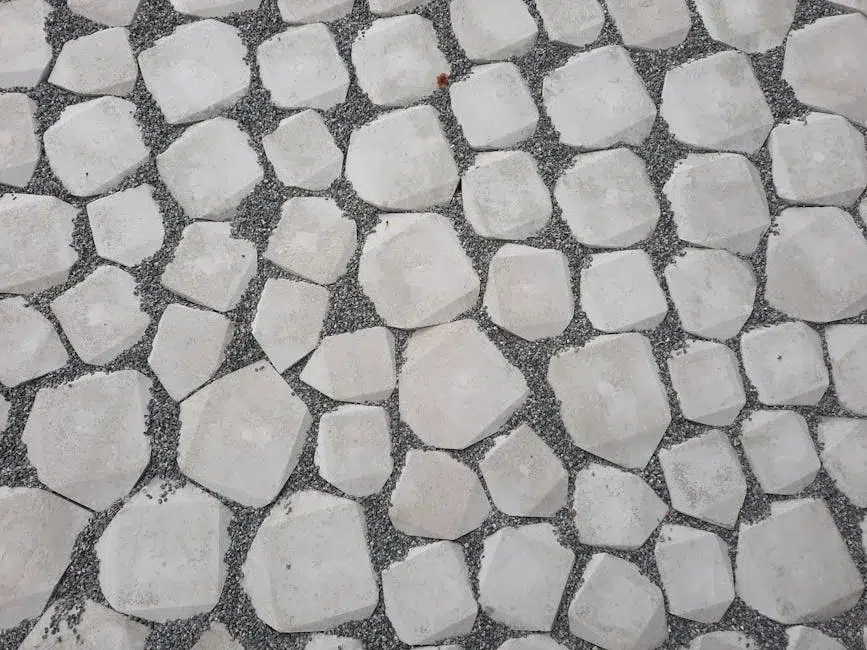
professional paver patio cost las vegas overview by 1 Home Construction
Las Vegas sits in a hot desert climate with intense UV exposure, flash flooding during monsoon season, and hard, compacted soils. Even for something as straightforward as a paver patio, drainage, grading, and property line rules matter. Clark County and the City of Las Vegas enforce adopted building and zoning codes that can affect patio design, especially when tied to structural elements or cover structures. We recommend confirming the currently adopted code edition with the local building department before construction. Professional layout, proper slope (typically 1 – 2% away from structures), and documented compaction protect homeowners from inspection failures and drainage disputes.
What Inspectors and Local Regulations Require in 2026 - 1 Home Construction

What Drives Paver Patio Costs in Las Vegas

Most homeowners want a straight number, but paver patio pricing depends on technical variables. In our experience, a basic paver patio in Las Vegas may range from $14 to $25 per square foot for standard concrete pavers with proper base preparation. Premium textures, larger format pavers, or intricate patterns like herringbone or basketweave can push costs to $25 – $40 per square foot. Projects with retaining walls, steps, or integrated lighting increase scope further. Three major cost drivers include:
  • Site complexity: demolition, tight access, soil correction, or significant grading.
  • Material costs: paver style, thickness (60mm vs 80mm), edge restraints, polymeric sand, sealers.
  • Total scope: square footage, curves, borders, seat walls, drainage systems.
One homeowner expanded a 400-square-foot patio to 650 square feet mid-project to accommodate a future outdoor kitchen. Because excavation and base prep were already mobilized, the marginal cost per square foot was lower than starting a second phase later. Most patios take 3 – 7 working days depending on size and complexity. These figures are preliminary benchmarks for informational purposes only and do not constitute a binding quote. An on-site evaluation is required for a final proposal.

Ready for an Accurate Patio Estimate?

If you’re serious about upgrading your outdoor space, the smartest next step is a professional site evaluation. We assess soil conditions, drainage, access, and layout before discussing materials or square footage pricing. That approach protects you from hidden base failures and costly change orders. Whether you’re planning a simple patio or integrating it into a larger outdoor renovation, we’ll provide a clear scope of work and realistic budget range. Schedule a consultation and get a detailed plan tailored to your property.
What Drives Paver Patio Costs in Las Vegas - 1 Home Construction

FAQs

A 500-square-foot paver patio in Las Vegas typically falls between $7,000 and $20,000 depending on design and site conditions. A straightforward rectangular layout with standard 60mm concrete pavers and good soil access will cost less than a curved design with borders, steps, or upgraded textures. Excavation depth, compaction requirements, and drainage corrections significantly influence pricing in desert conditions. We also evaluate access to the backyard – limited entry may require smaller equipment or additional labor. The only way to determine a reliable figure is to assess the soil, slope, and intended use before finalizing materials and layout.
In many cases, a basic ground-level paver patio without structures does not require a full building permit. However, once you add a patio cover, electrical lighting, built-in BBQ island, or plumbing, permits are often required under Clark County or City of Las Vegas regulations. Setbacks, lot coverage limits, and drainage flow rules still apply even when a permit is not required. We always recommend verifying requirements with the local building department because unpermitted work can create problems during resale or refinancing. When structural components are involved, inspections protect you from costly corrections later.
Pricing and timeline can vary based on site complexity, material costs, and total scope. Site complexity includes demolition, soil correction, drainage improvements, and access limitations. Material costs fluctuate depending on paver thickness, color blends, border accents, and polymeric sand or sealers. Total scope covers square footage, curves, steps, retaining walls, and integrated features like lighting. Timelines may range from 3 to 7 working days for standard patios, but larger or phased projects could extend longer. These figures are preliminary benchmarks for informational purposes only and do not constitute a binding quote. An on-site evaluation is required for a final proposal.
DIY installation can work for small, simple patios if you have proper tools, including a plate compactor, screed rails, levels, and cutting equipment. The biggest challenge in Las Vegas is base preparation. Without excavating deeply enough and compacting aggregate in lifts, patios often settle unevenly within a year. We frequently repair DIY patios where the surface looks fine but the base is unstable. If the project includes drainage correction, retaining walls, or integrated utilities, professional installation is usually the safer option. Saving on labor upfront can cost more if the patio requires removal and reinstallation later.
Desert conditions mean intense UV exposure, dust accumulation, and occasional heavy downpours. Sweep regularly to prevent abrasive sand from wearing the surface. Reapply polymeric joint sand if erosion occurs after storms. Sealing every few years can enhance color and reduce staining, but only after confirming the pavers are fully dry and clean. Watch for low spots that collect water – standing water indicates drainage slope issues. If you notice movement along edges, check that edge restraints remain secure. Early maintenance prevents joint washout and base instability, which are more expensive to correct than routine upkeep.
The most common issues we see are settling, joint sand washout, and poor drainage. Hard desert soils can shift if the base is too thin or not compacted properly. During monsoon storms, patios without proper slope or edge restraints may experience erosion. We’ve also seen patios installed flush against stucco without adequate clearance, leading to moisture intrusion concerns. UV exposure can fade lower-quality pavers over time. Selecting pavers rated for high compressive strength and following proper base depth standards reduces these risks. Most failures trace back to shortcuts in excavation and compaction.
Verify that the contractor is properly licensed in Nevada and carries general liability insurance. Ask about base preparation depth, compaction method, and whether geotextile fabric will be used. Request a written scope outlining excavation depth, base material type, paver thickness, and edge restraints. A qualified contractor should understand local setback and drainage requirements. Review past projects and confirm warranty details for workmanship. Clear communication about soil conditions and load requirements separates experienced installers from crews that simply lay pavers on minimal base material.
Keep people off the affected area immediately. Continued foot traffic on a sunken section can worsen base failure and create trip hazards. Sinking often indicates washed-out joint sand, poor compaction, or water undermining the base. Delaying repair may allow erosion to spread beneath adjacent sections, increasing the repair footprint. In some cases, nearby irrigation leaks contribute to soil movement. Have the area evaluated promptly to determine whether localized re-leveling or partial reconstruction is required. Emergency dispatch or after-hours fees may apply for immediate response.