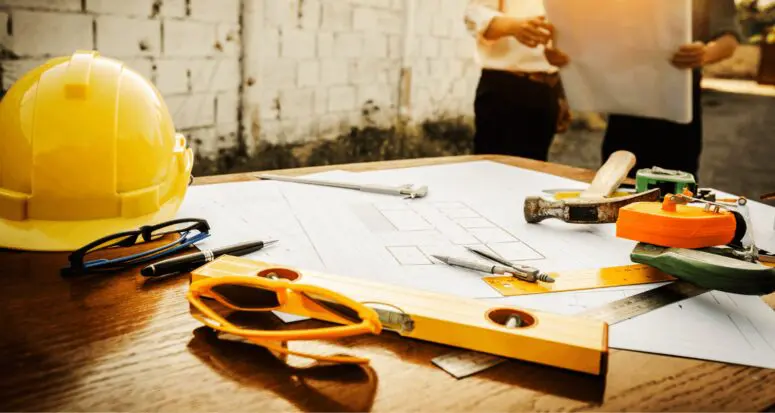
So you’ve decided to tackle a major remodel. That’s exciting stuff! But here’s what we’ve learned after years in this business: success starts way before the first hammer swings. Preparing your home for a major remodel isn’t just about moving furniture around. It’s about planning every detail, setting realistic expectations, and protecting your sanity throughout the process. Trust me, we’ve seen what happens when homeowners skip this crucial prep work. The difference between a smooth project and a nightmare often comes down to how well you prepare upfront.
Why Preparing Your Home for a Major Remodel Is Critical
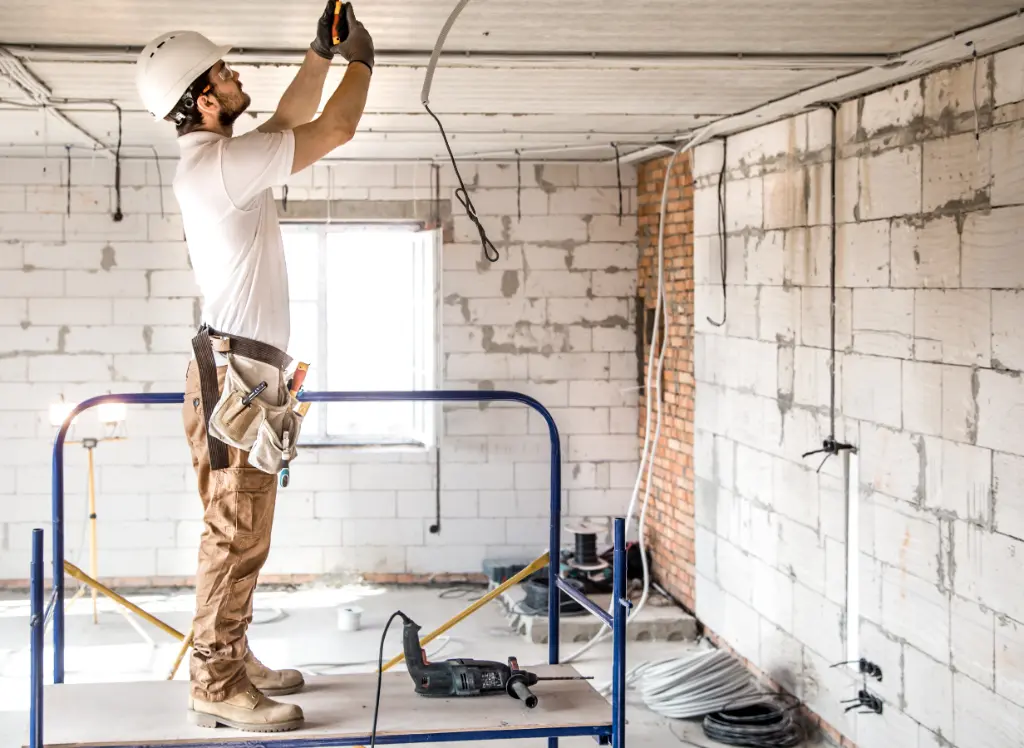
Let’s get real for a second. A major remodel isn’t like painting a bedroom on Saturday afternoon. We’re talking about work that affects your daily life for weeks or months. When you skip the prep phase, everything goes sideways fast. Your budget explodes. Your timeline doubles. And your stress levels? Through the roof.
We always tell our clients that preparing your home for a significant remodel is actually the most critical phase. It’s where you catch potential problems before they become expensive disasters. You figure out logistics, protect your belongings, and set everyone up for success. The families who nail this part always have better experiences than those who rush in unprepared.
Build Your Detailed Plan and Renovation Goals
Here’s where most people get overwhelmed, but it doesn’t have to be complicated. Start with the big picture and work your way down to specifics. We’ve guided hundreds of homeowners through this process, and the secret is breaking everything into manageable chunks.
Your renovation plan should cover scope, timeline, and responsibilities. Write everything down. Who’s doing what? When does each phase happen? What’s the order of operations? These questions matter more than you’d think. The clearest plans lead to the smoothest projects every single time.
Set Goals for Your Home Remodel
Before anything else, get crystal clear on what you want to achieve. Are you adding space for a growing family? Updating an outdated kitchen? Improving energy efficiency? Your goals drive every decision that follows.
We recommend sitting down with your family to list your priorities. What’s necessary versus nice to have? This conversation prevents scope creep later. Write down specific outcomes you want, like “expand master bathroom by 60 square feet” instead of vague wishes like “bigger bathroom.” Concrete goals keep everyone aligned when tough choices pop up during construction.
Handle All Permits Before Starting
Look, permits aren’t glamorous, but they’re essential. Every jurisdiction has different requirements for significant work. Some projects require structural, electrical, or plumbing permits, or all three. Skipping this step creates massive headaches down the line.
We’ve seen inspectors shut down entire projects because proper permits weren’t pulled upfront. That costs time and money you can’t get back. Contact your local building department early. Ask what’s required for your specific project. Factor permit costs and approval timelines into your schedule. Yes, it’s paperwork. Yes, it’s annoying. But it protects you legally and ensures work meets safety codes.
Create a Home Remodel Checklist That Works
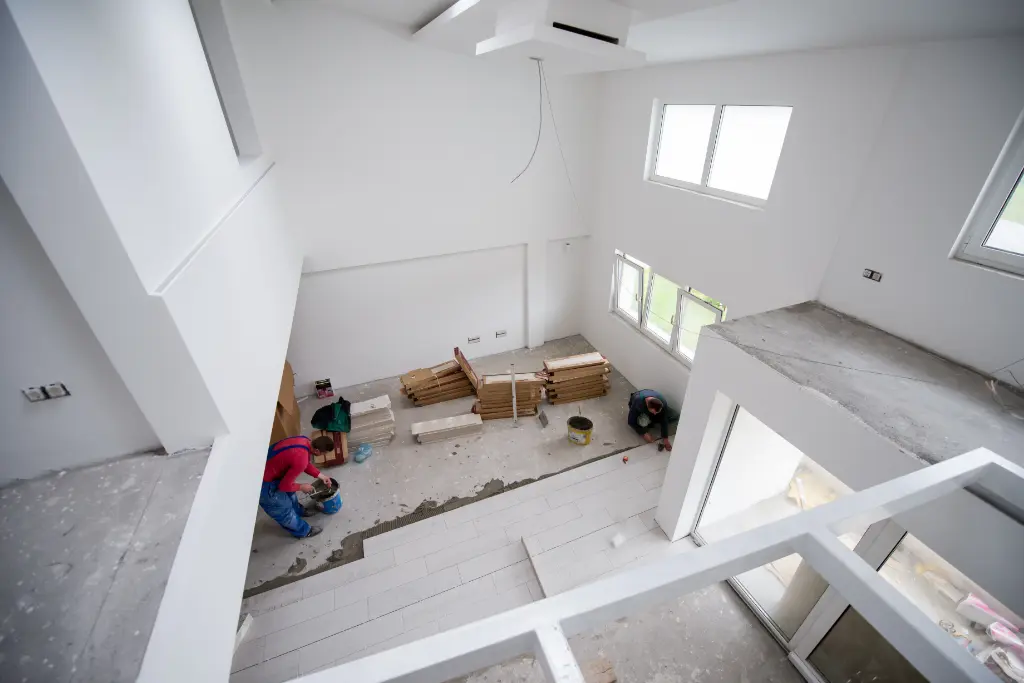
A solid checklist is your best friend during any major remodel. It keeps you organized when chaos hits. And trust us, chaos will hit at some point. That’s just the nature of construction work.
Your checklist should cover pre-construction tasks, weekly checkpoints, and final walkthroughs. We break ours into categories: planning items, prep work, weekly reviews, and completion steps. Here’s what should be on yours:
- Document your home’s current condition with photos and videos
- Notify neighbors about upcoming work and potential disruptions
- Set up dust barriers between work zones and living areas
- Create a communication schedule with your contractor
- Plan where you’ll store displaced furniture and belongings
Check items off as you complete them. This simple system prevents things from slipping through the cracks when you’re juggling a million details.
Set a Realistic Budget You Can Stick To
Money talk makes everyone uncomfortable, but avoiding it creates disaster. We’ve watched projects implode because homeowners didn’t budget properly from the start. They ran out of money halfway through or made compromises they later regretted.
Start by researching typical costs for your major remodel in your area. Add 15-20% for unexpected issues because surprises always pop up. Old houses especially hide problems behind walls. Get multiple quotes from qualified contractors. The cheapest bid isn’t always the best value.
Break your budget into categories like materials, labor, permits, and contingency funds. Track spending throughout the project. When you know exactly where money goes, you make smarter decisions. If something costs more than expected, you’ll know what you can flex to compensate.
Preparing Your Home for a Major Remodel: Execution Day
The day work begins is both exciting and nerve-wracking. You’ve planned everything, now it’s time to execute. We always walk clients through exactly what to expect on day one and throughout the project.
First, thoroughly clear the work area. Remove furniture, artwork, and personal items from affected rooms. Cover vents to prevent dust spread. Set up temporary living arrangements if needed. Create a staging area for materials delivery. These practical steps protect your belongings and help crews work efficiently.
Establish clear boundaries for where workers can go. Designate a bathroom they can use. Show them where to park. Set expectations about work hours and cleanup. Good communication upfront prevents awkward situations later. Remember, these folks will be in your space for weeks. Setting a positive tone from day one makes everything smoother.
Get Out of the House During Heavy Work
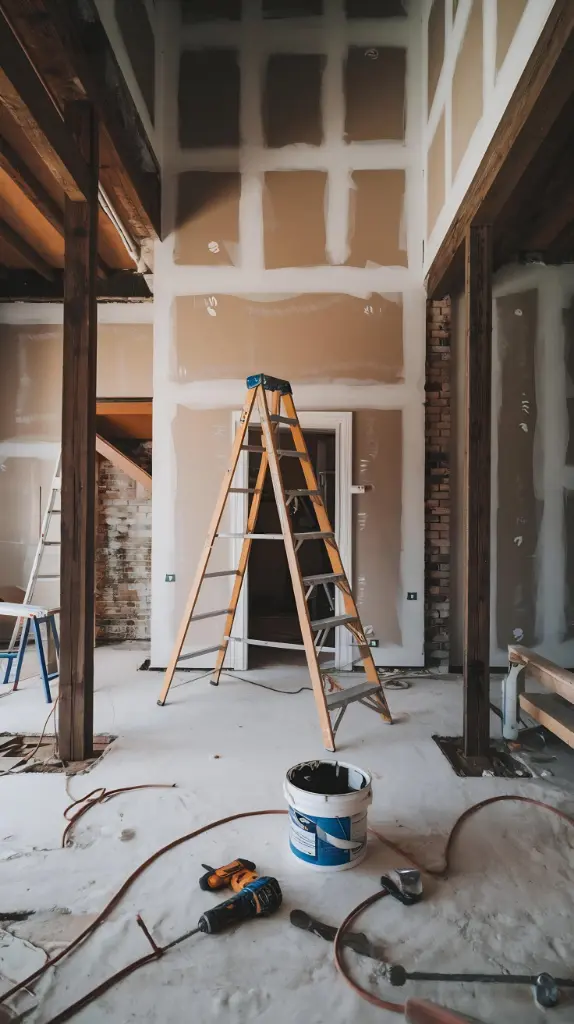
Here’s honest advice from years of experience: you don’t want to be home during demolition or other messy phases of a significant remodel. The noise alone will drive you crazy. Add in dust, debris, and constant activity, and staying home becomes miserable.
Plan to work from elsewhere those days. Visit family, take a short trip, or work from a coffee shop. If you have pets or small children, definitely relocate them during heavy construction. The environment isn’t safe or comfortable for anyone not directly involved in the work. Your contractor will actually appreciate this, too, because they can focus without worrying about disturbing you.
How Preparing Your Home for a Major Remodel Pays Off
Looking back, every successful major remodel we’ve completed had one thing in common. The homeowners invested serious time and effort into preparation. They didn’t rush. They planned thoroughly. And they trusted the process even when things got tough.
The payoff? Projects finish closer to schedule and budget. Stress levels stay manageable. The final results match or exceed expectations. You’ll actually enjoy your beautiful new space, rather than resent it because of a terrible experience.
Thoughtful preparation transforms a major remodel from a stressful ordeal into an exciting journey. Yes, there will still be challenges. Construction always brings surprises. But when you’ve laid the groundwork properly, you handle those bumps with confidence. You’ll look back on preparing your home for a significant remodel as time incredibly well spent.
Frequently Asked Questions
How far in advance should I start preparing for a major remodel?
Start at least 2-3 months before your planned construction date. This gives you time to research contractors, secure financing, obtain permits, and handle all the logistics. More complex projects need even longer lead times. We’ve seen homeowners start planning 6 months for extensive work. The extra time reduces stress and ensures you don’t rush essential decisions that affect your primary remodel outcome.
Should I stay in my home during a major remodel or move out temporarily?
It depends on the scope of work. Kitchen and bathroom projects usually allow you to make some lifestyle adjustments. Whole-house work or projects affecting multiple rooms often warrant temporary relocation. Consider factors like dust sensitivity, young children, work-from-home needs, and your stress tolerance. Many families stay elsewhere during the messiest phases, then return once construction is cleaner and more contained to specific areas.
What's the biggest mistake homeowners make when preparing for a major remodel?
Underestimating the budget and timeline. Homeowners consistently expect projects to cost less and finish faster than they actually do. This creates disappointment and financial stress. Always add contingency funds for unexpected issues. Assume projects will take 20-30% longer than quoted. Setting conservative expectations means you’ll be pleasantly surprised instead of constantly frustrated. Also, many people fail to research contractors thoroughly and end up with unreliable teams.
How do I choose the right contractor for my major remodel?
Start with referrals from friends and family. Check online reviews across multiple platforms. Interview at least three contractors. Ask for references and actually call them. Verify licenses and insurance. Review their portfolio of similar projects. Pay attention to communication style during the estimate process. If they’re unresponsive now, they’ll be worse during construction. Trust your gut about who you’d be comfortable having in your home daily.
What items should I remove from my home before a major remodel starts?
Remove all valuables, personal items, and breakables from work areas and adjacent rooms. This includes artwork, photos, electronics, and sentimental objects. Clear closets in work zones. Remove window treatments. Take down shelving and decorative items. Pack away anything you’d be devastated to lose or damage. Even with dust barriers, construction creates a mess that travels. Store essential items in a safe area away from all work zones.
How can I minimize disruption to my daily routine during a major remodel?
Create temporary living spaces in unaffected areas of your home. Set up a makeshift kitchen with a microwave, coffee maker, and mini-fridge if your kitchen is under construction. Establish clear work hours with your contractor. Maintain one clean bathroom for family use. Keep a designated pathway through your home clear of materials and debris. Stock up on paper plates and easy meals. Most importantly, embrace flexibility and patience because some disruption is inevitable.