ClickCease

Bathroom Remodel Cost in Las Vegas (2026 Guide): Myths, Real Prices & What to Expect

May 6, 2026

Many homeowners assume a bathroom remodel is just tile, a vanity, and a weekend of work. At 1 Home Construction, we’ve been guiding clients through bathroom remodel cost in Las Vegas (2026 guide) planning for years of experience, and we’ve seen how fast that assumption falls apart. We’ve walked into bathrooms where a “simple refresh” turned into structural subfloor repairs once we opened the tile. If you’re comparing numbers, start with a realistic baseline like this average bathroom remodel cost breakdown. The real warning is this: underestimating cost usually means cutting corners. In Las Vegas, we’ve seen poorly waterproofed showers fail within two years, leading to mold, warped framing, and denied insurance claims. The biggest risk isn’t overspending – it’s paying twice for the same bathroom.

What inspectors actually look for in 2026

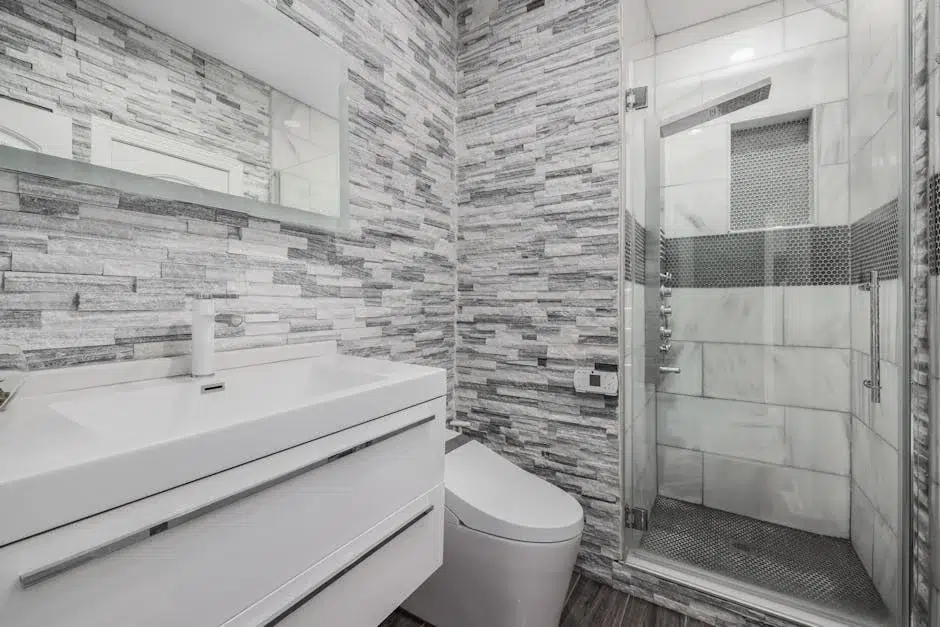
professional bathroom remodel cost las vegas 2026 overview by 1 Home Construction
Bathroom remodeling in Las Vegas isn’t just design – it’s compliance. Southern Nevada’s dry climate hides leaks until significant damage occurs, and slab-on-grade construction makes plumbing changes more complex. Clark County and the City of Las Vegas enforce adopted Nevada codes, and inspectors check framing, plumbing, electrical, and final finishes before approving work. We coordinate rough and final inspections to prevent delays. Our team performs flood tests on shower pans for at least 24 hours before tile installation, verifies GFCI and AFCI protection, and confirms exhaust fans vent to the exterior – not into attic cavities. Skipping these steps risks mold growth, failed inspections, and voided warranties.
What inspectors actually look for in 2026 - 1 Home Construction

What you should realistically expect in Las Vegas

Bathroom remodel cost in Las Vegas (2026 guide) planning starts with defining scope. In our experience, pricing typically falls into three tiers:
  • Cosmetic update: May range from $8,000 – $15,000. Includes vanity replacement, fixture upgrades, paint, and basic tile work.
  • Mid-range remodel: Often falls between $15,000 – $30,000. Includes new shower system, tile surround, updated plumbing fixtures, quartz countertops, and upgraded lighting.
  • High-end renovation: Can range from $30,000 – $55,000+ with layout changes, slab work, custom cabinetry, frameless glass, and premium materials.
One homeowner planned a $12,000 remodel but decided mid-project to relocate the shower drain and add a recessed niche wall. Because the home had post-tension slab construction, we had to coordinate X-ray scanning before cutting concrete. That single change added time and cost. Three primary factors influence your final investment:
  1. Site complexity (slab plumbing, structural framing changes)
  2. Material costs (tile size, natural stone vs. porcelain, fixture grade)
  3. Total scope (layout changes, electrical upgrades, custom storage)
Most projects take 2 – 6 weeks depending on inspections and material lead times. These figures are preliminary benchmarks for informational purposes only and do not constitute a binding quote. An on-site evaluation is required for a final proposal.

Schedule a Bathroom Cost Review

If you’re planning a remodel and want clear numbers before committing, we can help. Our team provides a focused bathroom assessment that reviews layout feasibility, plumbing constraints, electrical upgrades, and finish selections. We identify cost drivers early – such as slab penetration, ventilation changes, or code-required upgrades – so you avoid mid-project surprises. We’ll walk through material options, explain inspection requirements in Las Vegas, and outline a realistic timeline based on your home’s construction type. Whether you’re planning a cosmetic refresh or a full redesign, we provide transparent ranges and practical guidance. Book a quick expert check and get clarity on what your bathroom remodel may realistically involve in 2026.
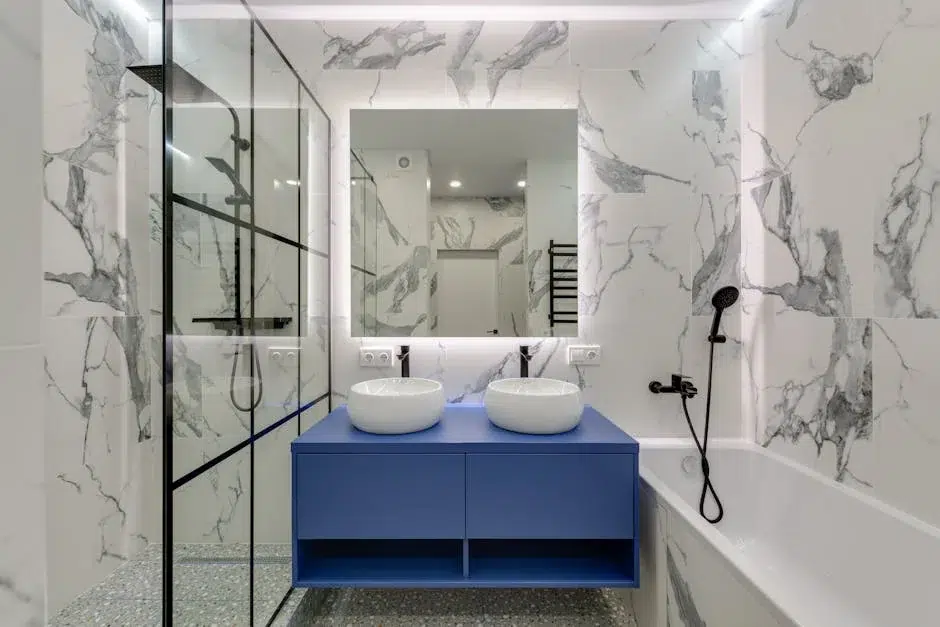
What you should realistically expect in Las Vegas - 1 Home Construction

FAQs

For a small bathroom (typically 40 – 60 square feet), costs in Las Vegas may start around $8,000 for basic cosmetic updates and can exceed $20,000 if plumbing or layout changes are involved. A simple project that keeps the existing tub, toilet location, and electrical layout will remain on the lower end. Once you introduce new tile assemblies, upgraded waterproofing systems, or slab plumbing adjustments, costs increase. Homes with post-tension slabs require additional precautions before cutting concrete, which adds both time and expense. Material selection also matters – large-format porcelain tile requires leveling systems and more precise substrate prep compared to smaller ceramic tile. We always recommend defining scope clearly before budgeting so you don’t underestimate structural or code-driven requirements. Even small bathrooms must meet current GFCI, ventilation, and plumbing standards enforced in Las Vegas.
In most cases, yes. If your remodel involves electrical work, plumbing modifications, or structural changes, the City of Las Vegas requires permits and inspections. Even replacing a vanity can require a permit if plumbing lines are altered. Inspectors typically check rough plumbing, electrical connections, and final fixture installation. Skipping permits may seem faster, but unpermitted work can create problems during resale or refinancing. Buyers often request proof of permitted improvements. If issues are discovered later – such as improper venting or missing GFCI protection – you may be required to open walls to correct them. We coordinate permitting and inspections so projects move forward without delays. Following the proper process protects your investment and ensures your remodel meets current adopted codes in Southern Nevada.
Bathroom remodel costs in Las Vegas can fluctuate widely based on three primary variables: site complexity, material costs, and total scope. Site complexity includes slab plumbing changes, structural framing adjustments, or correcting prior water damage. Material costs vary depending on whether you select stock vanities or custom cabinetry, porcelain tile or natural stone, and standard fixtures or premium brands. Total scope covers layout reconfiguration, added lighting circuits, ventilation upgrades, and custom storage solutions. A project that keeps plumbing in place and uses mid-range finishes might typically fall between $15,000 and $25,000. A remodel involving drain relocation, frameless glass enclosures, and custom tile details could exceed $35,000. These figures are preliminary benchmarks for informational purposes only and do not constitute a binding quote. An on-site evaluation is required for a final proposal.
Homeowners can handle limited cosmetic tasks such as painting, swapping hardware, or installing mirrors. However, plumbing relocation, shower pan construction, and electrical upgrades require technical precision and code compliance. Improperly sloped shower floors or missing waterproof membranes often lead to hidden leaks that appear months later. We’ve seen DIY shower builds without proper flood testing fail within a year, requiring full tile removal. Electrical mistakes in bathrooms are especially risky because moisture increases shock hazards. If you’re comfortable with basic finish work and leave plumbing and electrical to licensed professionals, you may control some costs. For structural, waterproofing, and code-sensitive work, professional oversight significantly reduces risk and protects long-term durability.
Common warning signs include cracked grout lines, loose floor tiles, persistent musty odors, peeling paint near showers, and slow drainage. In Las Vegas, low humidity can mask moisture problems until subfloor damage becomes advanced. If you notice soft spots around the toilet base or discoloration along baseboards, water intrusion may already be present. Outdated electrical setups – such as lack of GFCI outlets – also signal the need for upgrades. Bathrooms built decades ago often lack sufficient ventilation, leading to long-term humidity buildup behind walls. Addressing these issues early may prevent structural repairs. A professional inspection can determine whether you need minor repairs or a full remodel to correct underlying problems.
Yes. Many Las Vegas homes are built on slab-on-grade foundations, making plumbing changes more labor-intensive. Post-tension slabs require scanning before cutting to avoid damaging tension cables. We also frequently see builder-grade showers installed without robust waterproofing systems, which eventually fail at seams and corners. Hard water is another regional issue. Mineral buildup can shorten the lifespan of faucets, shower valves, and glass enclosures. Upgrading to quality fixtures with ceramic disc cartridges often improves longevity. Because attic temperatures can exceed extreme levels in summer, improperly vented exhaust fans may cause moisture to accumulate in insulation. Ensuring exterior venting and adequate airflow is critical for durability in Southern Nevada homes.
Start by confirming the contractor holds an active Nevada State Contractors Board license appropriate for residential remodeling. Verify insurance coverage and ask whether permits and inspections are included in the proposal. A detailed scope of work should outline demolition, waterproofing systems, plumbing changes, tile specifications, and finish details. Ask how shower pans are constructed and whether flood testing is performed. Professionals should reference TCNA standards and manufacturer installation guidelines. Request a written timeline and understand how change orders are handled. Transparent pricing, documented inspections, and code compliance are non-negotiable. Choosing a qualified professional reduces the risk of failed inspections, structural damage, and costly rework.
Shut off the water supply immediately at the nearest valve or main shutoff. Water intrusion can quickly saturate subflooring and framing, leading to mold growth and structural weakening. Even in Las Vegas’ dry climate, trapped moisture behind tile or drywall can remain hidden and spread. Do not continue demolition until the source is identified. Leaks may stem from improperly soldered joints, cracked drain assemblies, or failed waterproof membranes. Delaying repairs increases the risk of subfloor rot and electrical hazards if wiring is nearby. Contact a licensed professional to pressure-test lines and inspect surrounding materials. Emergency dispatch or after-hours fees may apply for immediate response.