ClickCease

Open Floor Plan Remodel Cost in Las Vegas (2026): What Arden Homeowners Should Expect

May 28, 2026

Open floor plan remodels in Arden typically range from $35,000 to $120,000+ in 2026, depending on structural changes, utilities, and finish level. At 1 Home Construction, we’ve been guiding homeowners through open floor plan remodel cost decisions for years of experience, and we’ve seen how quickly budgets shift once walls come down. Many clients start by asking about demolition, but the real numbers depend on beams, engineering, and code compliance. One Arden homeowner recently assumed removing a kitchen wall would cost under $10,000. Once we opened the ceiling, we discovered a load-bearing wall carrying roof and second-floor loads. The project required engineered LVL beams and temporary shoring, changing the scope entirely. If you’re planning broader updates, our home remodeling insights explain how layout changes affect overall budgets.

What 2026 inspectors are enforcing for open layouts

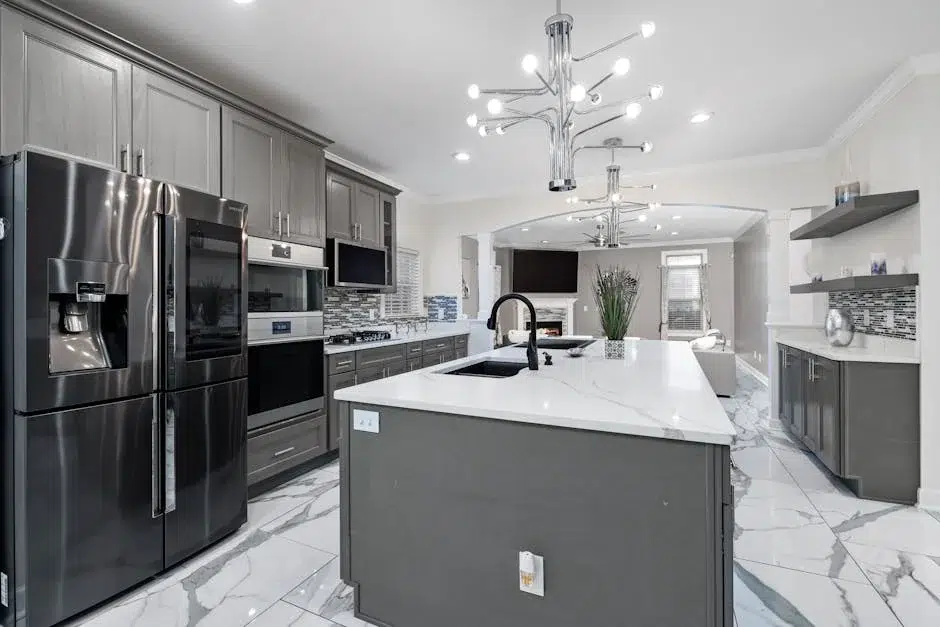
professional open floor plan remodel cost las vegas overview in Arden by 1 Home Construction
Arden homes face intense summer heat, expansive soil conditions in some subdivisions, and seismic considerations under Nevada standards. When walls come down, inspectors focus heavily on structural load paths, electrical updates, and energy compliance. Permits are required for any load-bearing wall removal, beam installation, or major mechanical relocation. Below are the most relevant codes currently enforced in Nevada jurisdictions serving Arden. Verify the current adopted code edition with the local building department before starting. Professional tip: always obtain engineered beam calculations stamped by a Nevada-licensed structural engineer. Inspectors often request these before approving rough framing. Temporary shoring walls must remain in place until beam connections and post anchors pass inspection.
What 2026 inspectors are enforcing for open layouts - 1 Home Construction

How to plan realistically for an open floor plan remodel in 2026

The biggest mistake we see is underestimating structural and mechanical relocation costs. Homeowners often budget for demolition and drywall but forget about rerouting plumbing vents, relocating HVAC trunk lines, or upgrading electrical panels. In Arden, an open floor plan remodel cost in Las Vegas (2026) may typically fall into these ranges:
  • Non-load-bearing wall removal with cosmetic updates: $8,000 – $20,000.
  • Load-bearing wall removal with engineered beam: $25,000 – $60,000.
  • Full kitchen-living reconfiguration with flooring, cabinets, and lighting: $60,000 – $120,000+.
One client planned for $40,000 to open a kitchen and living room. After discovering undersized existing footings, we had to pour new concrete pads to support LVL posts. That added excavation, inspection scheduling, and curing time – extending the project by three weeks. Typical timelines:
  1. Engineering and permits: 2 – 4 weeks.
  2. Demolition and framing: 1 – 3 weeks.
  3. Mechanical, electrical, drywall, finishes: 3 – 8 weeks.
Cost fluctuates based on three primary factors: site complexity, material costs, and total scope. Steel beams cost more than LVLs but may be required for longer spans. Custom cabinetry and wide-plank flooring increase finish budgets. For a deeper look at financial planning, review our budgeting guide and insights from our general contractor team. These figures are preliminary benchmarks for informational purposes only and do not constitute a binding quote. An on-site evaluation is required for a final proposal.

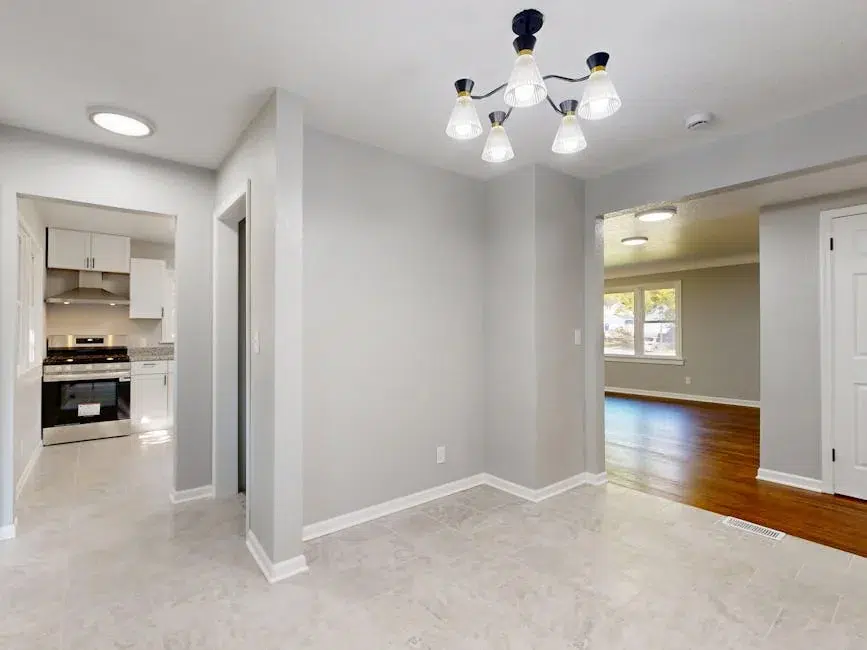
Planning an Open Floor Layout? Start With a Structural Review

If you’re considering removing walls in your Arden home, the smartest first step is a structural evaluation. We review framing direction, attic loads, foundation capacity, and utility routing before discussing finishes. That approach prevents mid-project surprises and protects your investment. Our team coordinates engineering, permits, inspections, and phased scheduling so your remodel stays organized and compliant. Whether you’re exploring a simple wall removal or a full kitchen-living transformation, we provide clear cost breakdowns and realistic timelines. Schedule a consultation to review your layout, structural considerations, and budget expectations. A well-planned open floor remodel improves flow, resale value, and daily function – when it’s engineered and executed correctly.
How to plan realistically for an open floor plan remodel in 2026 - 1 Home Construction

FAQs

In Arden, costs depend heavily on whether the wall is load-bearing and how much mechanical work is involved. Removing a simple non-load-bearing partition with minor drywall and paint may range from $8,000 to $20,000. Once structural beams, electrical upgrades, flooring replacement, and ceiling refinishing are involved, costs can rise to $40,000 or more. Larger reconfigurations that include kitchen cabinetry, island installation, recessed lighting, and flooring throughout the main level often exceed $60,000. We always advise homeowners to budget for structural engineering and permit fees. Arden inspectors require approved plans for load-bearing modifications. Skipping permits may delay resale or trigger mandatory corrections later. A professional walkthrough is the only way to determine accurate scope and structural requirements.
If the wall is load-bearing, yes. Nevada building departments typically require engineered calculations stamped by a licensed structural engineer before issuing permits. Even if the wall appears small, it may carry roof or second-floor loads. We evaluate framing direction, attic truss configuration, and foundation alignment before recommending beam size. In some homes, a triple LVL beam works. In others, especially with long spans, steel I-beams are necessary. Engineers calculate live and dead loads, deflection limits, and bearing requirements. Skipping engineering is risky. Improper support can lead to sagging ceilings, drywall cracking, and misaligned doors. Inspectors may halt the project if calculations are missing. Professional engineering protects both safety and long-term property value.
Timelines vary based on design complexity and permit approval. Engineering and permitting may take 2 – 4 weeks. Demolition and structural framing often require 1 – 3 weeks, depending on beam installation and inspections. Mechanical, electrical, drywall, and finish work can add another 3 – 8 weeks. Overall, most projects may take 6 – 12 weeks from planning to completion. Delays can occur if materials are backordered or if additional structural reinforcement is discovered during demolition. Three main variables affect duration and price: site complexity, material costs, and total scope. Larger spans, upgraded finishes, and extensive utility relocation extend schedules and budgets. These figures are preliminary benchmarks for informational purposes only and do not constitute a binding quote. An on-site evaluation is required for a final proposal.
Technically, removing a confirmed non-load-bearing wall may be manageable for experienced homeowners, but verification is critical. Many walls that appear non-structural still carry minor loads or contain electrical wiring and plumbing vents. Before removing any wall, confirm joist direction in the attic and check for wiring with a stud finder that detects live circuits. You must also shut off power and cap circuits safely. Even small mistakes can create electrical hazards or inspection issues. If the wall supports ductwork, plumbing, or has structural uncertainty, professional oversight is strongly recommended. The cost of correcting hidden damage typically exceeds the savings from DIY demolition.
Several indicators suggest a wall may carry structural load:
  • Ceiling joists or roof rafters rest directly on the wall.
  • The wall aligns with a beam or support post below.
  • There is a second story above the wall.
We also look for doubled top plates, large headers above door openings, or walls positioned at the center of the home. In Arden homes with truss systems, interior walls sometimes support bracing points even if they are not primary load walls. If you notice ceiling cracks or doors sticking after minor wall modifications, that may indicate load shift. Stop work and schedule a professional assessment before continuing.
Yes. Many Arden homes were built with engineered truss systems designed for specific load paths. Altering interior walls without proper reinforcement can disrupt that balance. Additionally, extreme summer heat increases attic temperatures, which can stress improperly supported framing members. Expansive soil in some subdivisions may require checking footing sizes when adding new support posts. If we add a beam with point loads, we often verify whether the existing slab can support it or if new concrete footings are necessary. Energy efficiency compliance is another consideration. When ceilings are opened, insulation and duct sealing may need upgrades to meet current energy codes. Planning ahead prevents inspection setbacks.
Look for a licensed Nevada contractor with experience in structural modifications, not just cosmetic renovations. Ask whether they coordinate structural engineering and permit approvals. Request proof of insurance and references for similar projects. A qualified contractor should explain beam options (LVL vs. steel), fastening methods, and inspection sequencing. They should also provide a detailed scope outlining demolition, structural work, mechanical relocation, and finish restoration. Avoid vague bids that only list “wall removal.” Structural work requires calculations, stamped drawings, and phased inspections. Transparency during planning reduces financial surprises and protects your home’s resale value.
Stop using the affected area immediately and avoid placing additional weight near the sagging section. If safe to do so, temporarily support the area with adjustable steel columns until a professional evaluation occurs. Delaying repairs increases the risk of structural failure. Continued load on an undersized beam can cause progressive sagging, drywall separation, and in severe cases, partial ceiling collapse. Electrical wiring within stressed framing may also become compromised. Contact a licensed contractor and structural engineer for assessment. Emergency dispatch or after-hours fees may apply for immediate response. Prompt action protects occupant safety and limits long-term structural damage.